
Passive Fire Protection Installations – Compliance & Safety for New Builds
Passive Fire Protection Installations – Compliance & Safety for New Builds
This blog explains how correctly installed fire containment measures safeguard lives, protect assets, and support UK building approvals for new developments. We focus on real site risks, shared responsibility, and proven installation standards that help construction teams avoid costly rework and long-term liability.
Key Takeaways
- Why fire containment matters just as much as detection
- How compliance failures happen on real UK construction sites
- What installers, contractors, and developers must get right
- Where specialist contractors fit into the compliance chain
Introduction
A building can pass inspection and still fail in a real fire. Here’s why that happens.
Most people think fire safety starts and ends with alarms and sprinklers. In reality, fires are usually controlled, or allowed to spread, by what you never see. Did you know that UK post-incident reviews repeatedly show fire spread is often caused by poorly sealed service penetrations and hidden voids, not alarm failure? In many cases, the warning worked. The building didn’t.
That gap between design intent and site reality is where passive fire protection plays its role. It focuses on containing fire, smoke, and heat so people can escape and damage is limited. On busy new-build sites, with tight deadlines and multiple trades working at once, this work is easy to overlook and costly to get wrong. For developers, contractors, and site managers, mistakes here bring legal risk that lasts long after handover.
In this guide, we break down what really matters, what often goes wrong, and how experienced specialists like CA Drillers support compliance on live UK sites.
Table of Contents
- Why Fire Containment Matters in Modern Construction
- Understanding Fire-Resistant Building Design
- Compliance Responsibilities in UK New Builds
- Where Installations Go Wrong on Site
- Retrofitting vs New-Build Fire Protection
- Role of Specialist Contractors
- Common Myths That Put Buildings at Risk
- FAQs
- Fire Safety Isn’t Visible – Until It Fails
Why Fire Containment Is Central to Safer New Builds
Modern buildings rely on layers of defence, not a single fix. Alarms warn people. Containment gives them time. When walls, floors, and service routes work as planned, fire spread slows and escape routes stay usable.
This is where fire safety systems depend on one another. Detection without containment still allows heat and smoke to move unchecked when compartments fail.
Fire compartmentation and structural resistance
A strong compartmentation strategy limits fire spread through:
- Walls, floors, and risers
- Service openings for pipes, cables, and ducts
- Vertical routes, such as stair cores
Without proper sealing, flames move both sideways and upwards fast. Early coordination between trades reduces risk and prevents late-stage fixes that often fail audits.
How Passive Measures Support UK Building Safety Compliance
Compliance does not happen at final inspection. It is created through every drilled hole, every sealed joint, and every recorded installation long before handover. For new developments, building safety compliance UK depends on visible proof and correct execution.
Using Passive Fire Protection Installations that follow tested methods protects both occupants and those responsible for the build.
Fire resistance ratings and approved materials
Correct fire resistance ratings matter because:
- Tested systems behave predictably under heat
- Unapproved swaps often fail under review
- Installers remain accountable for what is used
One overlooked change in fire-resistant sealants or fixings can undermine the whole assembly.
Where New Builds Commonly Fail Fire Safety Checks
Most failures are not deliberate. They happen when site changes are rushed or poorly recorded.
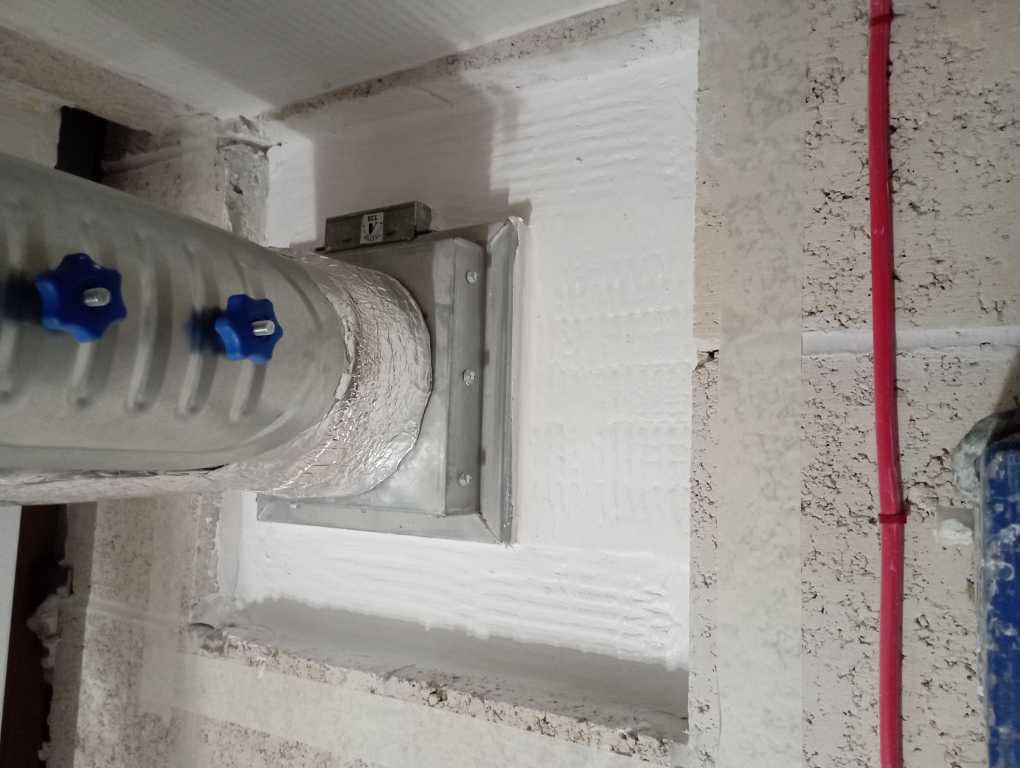
Service penetrations and incomplete sealing
Problems often appear around:
- M&E clashes late in the programme
- New cable runs added after sign-off
- Missing photos or labels during a fire safety audit
Each unsealed opening breaks structural fire protection and invites failure.
Hidden voids and ceiling cavities
Cavity spaces are often forgotten. Missing cavity barriers allow fire to bypass compartments entirely.
On one commercial site, a single unsealed ceiling void above a riser led to full remedial works across two floors. The cost far exceeded the original installation budget.
New Builds vs Retrofit Fire Protection Work
Doing it right during construction is always simpler. Retrofit passive fire protection brings higher cost, disruption, and risk.
Structural challenges in occupied buildings
Retrofit work faces:
- Limited access
- Business disruption
- Re-inspection risks
New builds allow planned routes for fire doors and fire partitions, HVAC fire dampers, and intumescent coatings before finishes hide errors.
Why Specialist Installation Matters for Compliance
Fire protection is not a final task. It is a skilled trade requiring training, coordination, and records. Teams like CA Drillers combine controlled drilling with coordinated fire stopping, reducing gaps between trades.
Certified installation and traceable documentation
Strong compliance relies on:
- Clear installation records
- Visual proof for inspectors
- Long-term protection against claims
As one industry safety lead put it, “If you cannot prove what was installed, it may as well not exist.”
Common Myths That Put Buildings at Risk
Assumptions cost time, money, and safety.
“Fire stopping can be done at the end”
- Late work gets rushed
- Other trades damage seals
- Evidence often goes missing
“All fire sealants perform the same”
- Products vary by use
- Incorrect choice fails heat tests
- Substitution risks breach of building fire protection regulations
Protect Your Project Before Compliance Becomes a Crisis
Getting fire containment right early avoids delays, disputes, and expensive rework. Planning, coordination, and skilled installation protect both people and the programme.
A Practical Comparison
| Site Stage | Early Coordination | Late Fixes |
| Cost | Controlled and predictable | High and reactive |
| Inspection outcome | Smooth approvals | Repeat checks |
| Risk | Managed | Ongoing liability |
Fire Safety Isn’t Visible – Until It Fails
When installed correctly, passive fire protection works quietly in the background. When ignored, the consequences appear fast and without warning. For new builds, strong containment protects lives, assets, and everyone responsible for the work.
Structure and fire safety experts should be consulted if you need accuracy, precision, and accountability in your project. Speak with CA Drillers to ensure your next build meets standards from day one.
Frequently Asked Questions
What is passive fire protection in new buildings?
It is a reference to fixed measures which contain smoke and fire within the areas, which help maintain evacuation routes and limit the damage.
Is it legally required in the UK?
Yes. New builds must meet strict fire performance expectations during approval and handover.
Who is responsible on-site?
The responsibility is shared by the designers, installers and the principal contractor.
Can it be added after construction?
Yes, but retrofit work brings higher cost and risk.
How is compliance checked?
Through visual inspection, documentation review, and testing records aligned with the UK building code fire safety requirements.
- Search
- Categories
- Blog
- Brokk demolition
- Certificate
- Concrete Cutting
- Controlled Demolition
- Core Drilling
- Diamond Concrete Cutting
- Diamond Concrete Drilling
- Diamond Drilling
- Diamond drilling Kent
- diamond drilling london
- Diamond Sawing
- Fire doors
- Floor Preparation
- Hydraulic Bursting
- Magnetic Drilling
- Passive Fire Protection
- Stitch Drilling
- Archives