
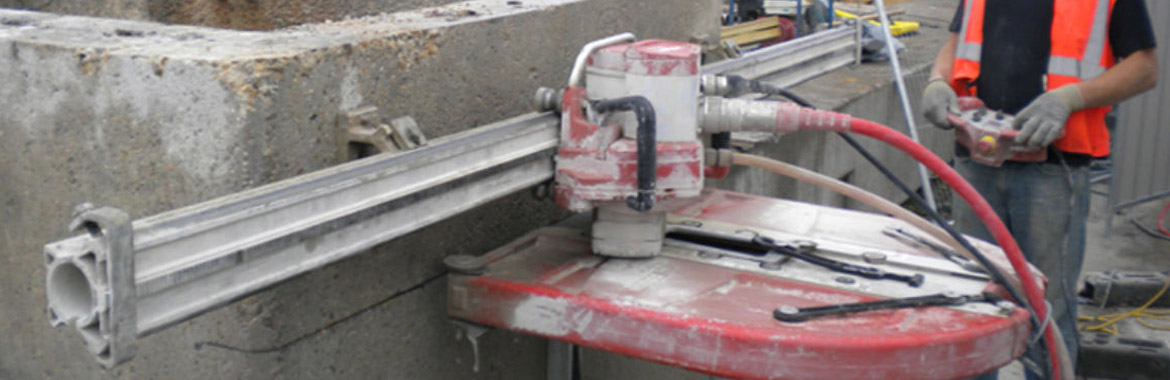
Why Diamond Drilling is the Safest Method for London Concrete Structures ?
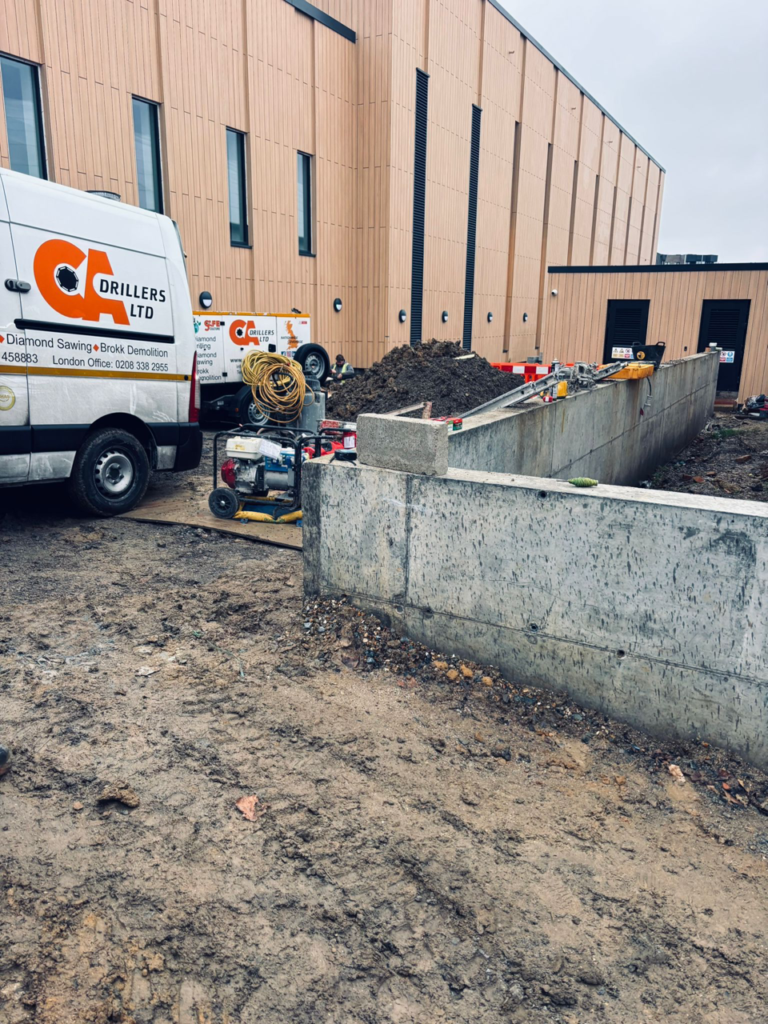
Why Diamond Drilling is the Safest Method for London Concrete Structures ?
Objective
This guide explains, in clear and practical terms, why diamond drilling is widely regarded as the safest way to work with concrete structures in London. We focus on safety, accuracy, legal compliance, and what actually happens on busy construction sites where mistakes are costly, and space is limited.
Key Takeaways
- Why London construction needs safer drilling methods
- How diamond drilling protects structural strength
- What makes it safer for workers and occupied buildings
- When diamond drilling is the right choice
- Why specialist contractors make a real difference
Introduction
One wrong drilling method can compromise an entire concrete structure and put lives at risk.
Drilling into concrete in London is never simple. You are dealing with dense reinforcement, ageing buildings sitting next to modern towers, strict safety rules, and sites that often remain live while work is carried out. In these conditions, choosing the wrong method does not just slow a project down. It can weaken load-bearing elements, create hidden cracks, or expose workers and occupants to dust and noise risks. That is why Safe Concrete Cutting London practices are no longer optional. They are expected.
Did you know that excessive vibration during drilling is one of the leading causes of micro-fractures in reinforced concrete structures?
Industry safety data also shows that low-vibration drilling methods greatly reduce structural stress and site risk.
This is exactly why diamond drilling has become the preferred choice for high-risk urban projects across the capital.
Table of Contents
- Understanding the Challenges of Drilling Concrete in London
- Why Precision-Focused Core Drilling Improves Safety Outcomes
- How Diamond Drilling Reduces On-Site Safety Risks
- Safe Concrete Cutting Practices for London Construction Sites
- Real-World Application in Complex London Projects
- When Diamond Drilling Is the Safest Choice
- Industry Insight
- Frequently Asked Questions
- Why London Projects Demand a Smarter Drilling Approach
Understanding the Challenges of Drilling Concrete in London
London construction sites are demanding by nature. The space is limited, the regulations are strict, and a large number of structures were not designed with the latest technology in mind. Drilling work must respect all of that while staying safe and accurate.
Structural Integrity Risks in Reinforced Concrete
Reinforced concrete contains steel bars that carry the load across floors and walls. Traditional high-impact drilling can interfere with these bars, causing stress fractures or weakening key sections. Vibration control is critical when drilling through load-bearing elements.
Urban Constraints and Occupied Buildings
Hospitals, offices, transport hubs, and residential towers often remain in use during construction. Excessive noise, dust, and vibration are not just inconvenient. They can stop work entirely.
Why Traditional Drilling Methods Fall Short
Older drilling techniques rely on force rather than control. They create uneven holes, spread cracks beyond the cut, and increase clean-up time. On London sites, those risks are simply too high.
Why Precision-Focused Core Drilling Improves Safety Outcomes
The drilling of concrete can only be done safely if it is controlled. This is where accuracy matters more than speed.
With Precision Core Drilling, diamond-tipped equipment cuts clean openings without shock or heavy impact. Even reinforced or high-density concrete can be worked with predictability and stability.
Low-Vibration Drilling and Structural Protection
Diamond drilling produces minimal vibration. This protects surrounding concrete and reduces the risk of stress damage, especially in older structures.
Clean, Accurate Openings Without Over-Cutting
Holes are cut to exact sizes. That means no weakening of nearby material and no need for corrective work later.
Controlled Drilling Around Reinforcement and Services
Modern diamond rigs permit the careful design of rebars as well as conduits and other hidden services. This degree of control helps keep both the structure and workers secure.
How Diamond Drilling Reduces On-Site Safety Risks
Structural safety is only half the story. Worker and occupant safety matter just as much.
Dust Control and Improved Air Quality
Water-assisted drilling suppresses fine concrete dust, including silica. This protects the lungs and keeps indoor air safer for everyone on site.
Noise Reduction for Sensitive Environments
Diamond drilling runs far quieter than impact methods. This is crucial for schools, hospitals, and office buildings.
Improved Operator Control and Predictability
Stable rigs and steady cutting give operators full control. That reduces sudden movement, tool slips, and fatigue-related errors.
Safe Concrete Cutting Practices for London Construction Sites
Diamond drilling fits naturally into modern safety standards across the city.
Used correctly, Safe Concrete Cutting London methods support safer workflows, better planning, and fewer site disruptions.
Compliance with UK Health and Safety Standards
Professional contractors operate under strict risk assessments and method statements and trained supervision, in line with HSE guidelines.
Suitable for Live and Operational Environments
Low noise, low dust, and controlled access make diamond drilling ideal for occupied sites.
Why Specialist Contractors Matter
Experience is crucial. Expert teams design drilling locations, analyse the structural impact and choose the appropriate equipment for the job. This is why CA Drillers stand out through their planning and technical skills rather than brute force.
Real-World Application: Diamond Drilling in Complex London Projects
Diamond drilling proves its value on the most difficult sites.
Working in Confined and Restricted Access Sites
Basements, plant rooms, and service shafts leave no margin for error. Compact rigs and precise setup make safe drilling possible.
Maintaining Structural Safety During Modifications
Refurbishments usually require new service paths through structures. Diamond drilling permits changes without compromising the structure.
Lessons from High-Risk Commercial and Infrastructure Projects
Drilling controlled in commercial renovations and infrastructure improvements has helped teams meet deadlines and ensure safety.
When Diamond Drilling Is the Safest Choice
Diamond drilling is not always needed, but it is essential in these situations:
- Load-bearing walls and floors
- Reinforced and post-tensioned concrete
- Projects requiring high accuracy and clean finishes
A quick comparison shows why:
|
Requirement |
Traditional Drilling |
Diamond Drilling |
|
Vibration control |
Low | High |
|
Accuracy |
Variable | Precise |
| Dust management | Poor |
Controlled |
| Suitability for live sites | Limited |
Strong |
Industry Insight
A common view among experienced engineers is simple:
In urban construction, safety isn’t about speed. It’s about precision, planning, and control.
That thinking is exactly why diamond drilling has become standard on high-risk London sites.
Why London Projects Demand a Smarter Drilling Approach
London construction leaves no room for guesswork. Diamond drilling offers structural protection, safer working conditions, and dependable results where mistakes are costly. That is why Precision Core Drilling now sits at the centre of safe concrete work across the capital.
If your project requires the use of reinforced concrete or a live environment, or tight access, selecting the correct drilling technique is crucial. Working with CA Drillers helps ensure safety, precision, accuracy, and trust from the beginning of planning to completion. When safety is the only thing that matters, accuracy is what makes the difference.
Frequently Asked Questions
Is diamond drilling safer than traditional concrete drilling?
Yes. It produces less vibration, offers better control, and reduces structural and worker risk.
Can diamond drilling damage reinforced concrete?
When done correctly, it protects reinforced concrete by cutting cleanly around steel without shock.
Is diamond drilling suitable for occupied buildings in London?
Yes. Low noise and dust make it ideal for live environments.
How deep and accurate can diamond drilling be?
It can reach significant depths while maintaining precise hole sizes.
Does diamond drilling meet UK safety standards?
Yes. It aligns with current health and safety guidance when carried out by trained professionals.
- Search
- Categories
- Blog
- Brokk demolition
- Certificate
- Concrete Cutting
- Controlled Demolition
- Core Drilling
- Diamond Concrete Cutting
- Diamond Concrete Drilling
- Diamond Drilling
- Diamond Drilling Essex
- Diamond drilling Kent
- diamond drilling london
- Diamond Drilling Surrey
- Diamond Sawing
- Fire doors
- Floor Preparation
- Hydraulic Bursting
- Magnetic Drilling
- Passive Fire Protection
- Stitch Drilling
- Archives