
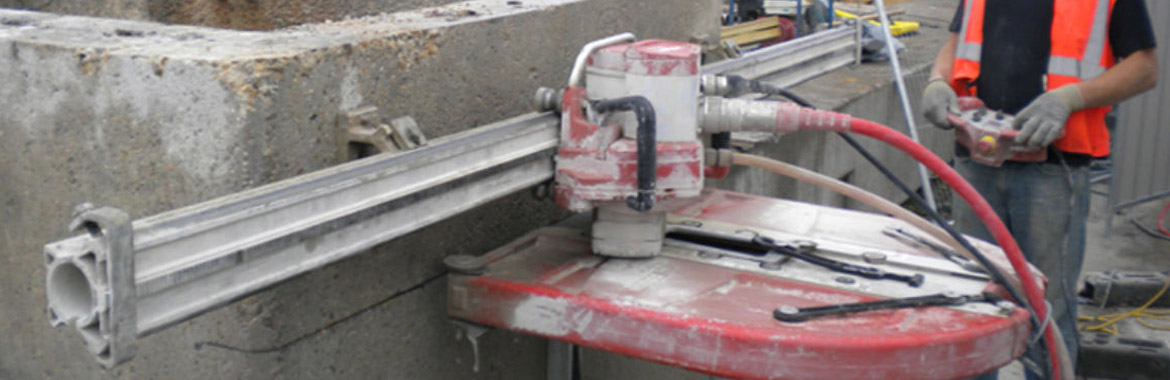
When Should You Choose Diamond Drilling for a Construction Project?
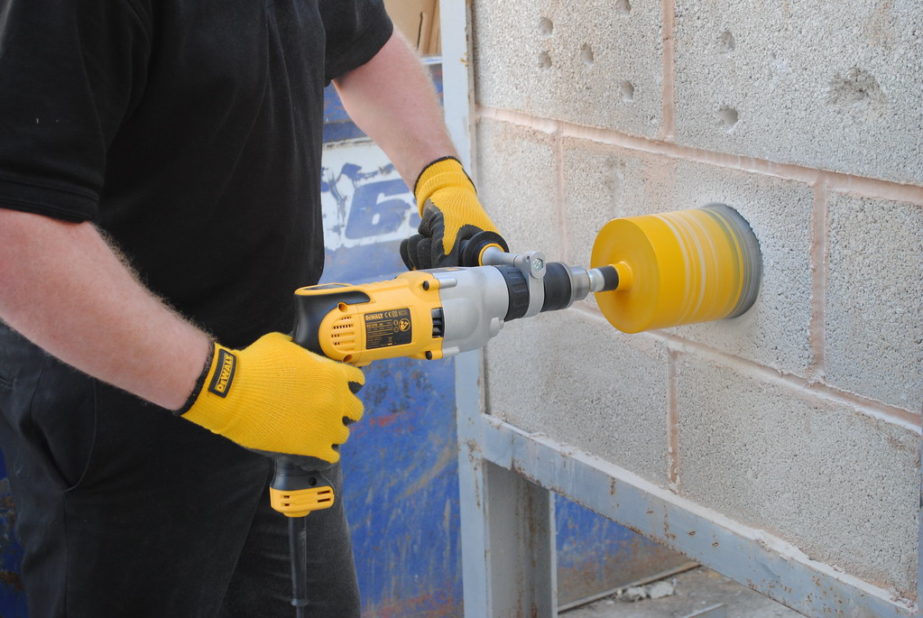
When Should You Choose Diamond Drilling for a Construction Project?
Objective
This guide explains when diamond core drilling makes sense for construction, refurbishment and infrastructure work. You’ll learn what to check before drilling, where concrete drilling is commonly used, and how to select a suitable method for your project.
Key Takeaways
- Diamond drilling for construction creates accurate circular openings in suitable concrete and other hard materials.
- It is useful for pipework, ductwork, and mechanical and electrical service penetrations.
- Rig-mounted diamond core drilling can help reduce vibration compared with some percussive drilling methods.
- Concrete drilling still requires proper dust, safety and structural controls.
- The right method depends on the opening, material, access and project requirements.
Introduction
A construction project can require more than simply making a hole through concrete. If you need a precise opening for pipework, ductwork or electrical services, the drilling method can affect the accuracy of the work, vibration, dust control and the condition of the surrounding structure.
This is where diamond drilling for construction can be a practical choice. Diamond core drilling uses a diamond-tipped core bit to form controlled circular openings through suitable concrete and other hard construction materials. It is particularly useful when accuracy matters or when you need to work carefully around an existing structure.
But diamond drilling is not automatically the right answer for every job. Your required opening, concrete structure, reinforcement, access, site conditions and project programme should all be considered before selecting a method.
HSE guidance supports this approach. For drilling masonry or concrete, HSE recommends considering methods such as clamped diamond core drilling where appropriate to avoid unnecessary vibration exposure. Its guidance also stresses that drilling concrete can produce respirable crystalline silica dust, so suitable controls are still required.
So, when should you choose diamond drilling? Let’s look at the situations where it can make the most sense, the alternatives you should consider, and the checks to complete before work begins.
Table of Contents
- What Is Diamond Drilling?
- When Should You Choose Diamond Drilling?
- Where Is It Used?
- Diamond Drilling vs Other Methods
- What Should You Check Before Drilling?
- Real Construction Examples
- FAQs
What Is Diamond Drilling?
Diamond core drilling uses a diamond-tipped core barrel to cut a circular opening through suitable materials such as concrete and reinforced concrete. Unlike a method that relies mainly on impact, the cutting action is controlled and suited to work where hole position and size matter.
For construction teams, this can make concrete drilling useful for service penetrations, drainage, electrical installations, ductwork and other building services.
The method is not automatically right for every job. Your required hole size, depth, reinforcement, access and structural requirements should all be considered first.
When Should You Choose Diamond Drilling?
When accuracy matters
Choose accurate drilling when the opening must be positioned carefully for a pipe, cable, duct or other service. A clean, controlled hole can also reduce unnecessary work around the opening.
When working through reinforced concrete
Reinforced concrete can be difficult to drill with general-purpose equipment. A suitable diamond drilling system can provide controlled cutting, but the location of reinforcement and existing services must be considered before work starts.
When vibration needs to be limited
This is particularly relevant to refurbishment, occupied buildings and sensitive structures. HSE lists clamped diamond core drilling as an alternative to some hand-held drilling methods when planning to reduce hand-arm vibration exposure.
When you need service penetrations
This is one of the clearest construction uses. Openings may be required for:
- Pipework
- HVAC and ductwork
- Electrical services
- Drainage
- Mechanical installations
- Earthing systems
Where Is Diamond Drilling Used?
Diamond drilling construction projects can range from commercial refurbishments to major infrastructure work.
At Chelsea Barracks, CA Drillers carried out diamond drilling for pipework and ductwork as part of a large redevelopment.
At Woolgate Exchange, specialist diamond drilling was used to create service penetrations for mechanical and electrical services.
The method can also form part of complex heritage and infrastructure work. At 10 Trinity Square, diamond drilling was used for precise structural openings within a Grade II* listed building. The company’s project portfolio also records extensive drilling work on the Crossrail programme.
These examples show an important point: the value of drilling is not simply making a hole. It is creating the required opening while fitting the work into a wider construction programme.
Diamond Drilling vs Other Methods
| Method | Typical use | Main point to consider |
| Diamond core drilling | Circular service openings | Precise and controlled |
| Percussive drilling | General drilling tasks | Can create more vibration |
| Track sawing | Larger linear openings | Better for cuts than individual holes |
| Wire sawing | Deep or substantial concrete cutting | Suitable for larger structural work |
| Stitch drilling | Larger openings formed from overlapping holes | Requires careful planning |
So, if your project needs a precise circular penetration, diamond drilling services may be more suitable than a cutting method designed for larger openings.
What Should You Check Before Drilling?
Before work starts, check:
- The opening: Confirm its required diameter, depth and location.
- The structure: Establish whether the work affects structural concrete or other important elements.
- Hidden hazards: Check drawings and site information for reinforcement and existing services.
- Site conditions: Consider access, working space, occupied areas, water management and equipment positioning.
- Dust controls: Concrete drilling can generate respirable crystalline silica dust. HSE advises that construction dust risks must be assessed and controlled.
For this reason, avoid describing the process as completely dust-free drilling. Dust control depends on the equipment, material and working method.
A Practical Rule for Your Next Project
Here’s the simple test: if you need a precise circular opening through concrete, particularly for building services, and vibration or surrounding damage needs careful control, diamond drilling is worth considering.
If you need a large structural cut instead, another specialist method may be more suitable.
The key is to select the method around your actual site requirements, not simply the name of the equipment.
Choose the Right Drilling Method, Not Just the Fastest One
Good construction site preparation starts before the drill reaches the concrete. Confirm the opening, understand the structure, check the site conditions and select equipment that fits the task.
CA Drillers’ project work across commercial, heritage and infrastructure sites shows how diamond drilling can form part of wider specialist construction packages.
If your project requires accurate concrete penetrations, review the available diamond drilling services and discuss the opening, material and site conditions with a specialist contractor before work begins.
Frequently Asked Questions
1. What is diamond drilling used for in construction?
It is commonly used to create precise circular openings through suitable concrete and other hard construction materials, including penetrations for pipework, ductwork, electrical and mechanical services.
2. Is diamond drilling suitable for reinforced concrete?
It can be suitable for reinforced concrete, depending on the project. The structure, reinforcement, proposed opening and existing services should be assessed before drilling.
3. Does diamond drilling reduce vibration?
Clamped diamond core drilling can reduce vibration exposure compared with some hand-held percussive drilling methods. HSE lists it as an alternative that can be considered when managing vibration risks.
4. Does diamond drilling create dust?
Drilling of concrete will generate dust. The best way to control dust will depend on the drilling equipment and process.
5. How do you choose the right drilling method?
Consider the hole size, material type, drill length, type of structure, access challenges, and risks on site before selecting the best drilling method. A speciality contractor can then advise on the best method of drilling, whether it be diamond drilling or another type of cutting.
- Search
- Categories
- Blog
- Brokk demolition
- Certificate
- Concrete Cutting
- Controlled Demolition
- Core Drilling
- core drilling Kent
- Diamond Concrete Cutting
- Diamond Concrete Drilling
- Diamond Drilling
- Diamond Drilling Essex
- Diamond drilling Kent
- Diamond Drilling Surrey
- Diamond Sawing
- Fire doors
- Floor Preparation
- Hydraulic Bursting
- Kent construction drilling
- Magnetic Drilling
- Passive Fire Protection
- Stitch Drilling
- Wire Sawing Services
- Archives