
Chasing Drilling UK – 2026 Complete Guide to Precision Wall & Floor Cutting
Chasing Drilling UK – 2026 Complete Guide to Precision Wall & Floor Cutting
By the year 2026, the service of UK chasing drilling was already a crucial one in the constructions of installing electrical, plumbing, HVAC, and data systems in a safe and accurate manner within concrete and masonry structures. Following the tightening of the UK building regulations, the increased emphasis on dust management, and the requirement of high-precision workmanship, modern chasing drilling techniques have become indispensable in residential, commercial, and industrial works.
The updated guide has better clarification of what chasing drilling is, proper explanation of the way it works, and description of its applications and reasons why professional chasing drilling services are so important in the construction industry of the UK in 2026.
What Is Chasing Drilling?
Chasing drilling, known also as wall chasing or concrete chasing sometimes, is the act of scribing small grooves (termed as chases) into walls, floors, or ceilings. The purpose of these channels is to hide:
Electric lines and wires
- Electrical conduits and wiring
- Plumbing and heating pipework
- Data and communication cables
- Fire alarm and security systems
Chasing drilling, usually known as wall chasing or concrete chasing, is the way of making narrow cuts (called chases) in walls, floors, or ceilings.
Why Chasing Drilling Is Essential in the UK (2026)
In the year 2026, construction standards in the UK emphasize safety, precision, and control over the environment. Chasing drilling fulfills all the demands, and thus, it is the first choice for the installation of services.
Key Reasons for Growing Demand
- Reduced dust exposure for workers
- Minimal vibration in occupied buildings
- Faster project completion times
- Cleaner and more professional finish
- Compliance with UK health & safety regulations
As a result, chasing drilling is now widely used in offices, hospitals, schools, retail units, factories, and residential developments across the UK.
Difference Between Chasing Drilling and Diamond Drilling
Although closely related, chasing drilling and diamond drilling serve different purposes.
| Feature | Chasing Drilling | Diamond Drilling |
| Cut Type | Narrow channels | Circular holes |
| Primary Use | Concealed services | Ducts, pipes, vents |
| Depth | Shallow to medium | Deep core cutting |
| Finish | Linear & neat | Smooth circular |
In most UK projects, chasing drilling is combined with diamond drilling to deliver complete service installation solutions.
Modern Chasing Drilling Techniques Used in the UK
Diamond Wall Chasing
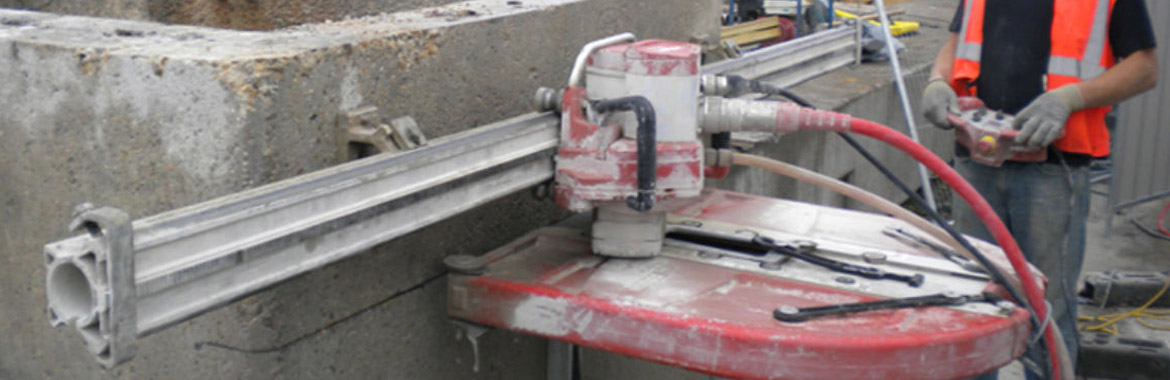
Diamond blades cut precise parallel lines into concrete or brickwork, which are then removed to form a clean channel. This method ensures accuracy without damaging surrounding material.
Ideal for:
Electrical rewiring, plumbing upgrades, commercial refurbishments
Dust-Controlled Chasing Drilling
With increasing enforcement of HSE dust regulations, professional contractors in 2026 use:
- Integrated vacuum extraction
- Water-suppressed cutting systems
This allows chasing work to be completed safely, even in occupied or sensitive environments.
Floor and Ceiling Chasing
Specialist equipment allows chasing drilling in:
- Concrete floors
- Ceilings
- Structural slabs
This is commonly used for underfloor heating, drainage, and mechanical services.
Structural-Safe Chasing with Scanning
Before cutting, professional contractors carry out:
- CAT scanning to locate live services
- Ferro scanning to identify reinforcement
This prevents accidental damage and ensures full structural safety.
Applications of Chasing Drilling in the UK
Residential Projects
- Full house rewires
- Kitchen and bathroom renovations
- Smart home installations
- Heating and plumbing upgrades
Commercial Construction
- Office refurbishments
- Retail and hospitality fit-outs
- Fire alarm and security systems
- Data and network cabling
Industrial & Infrastructure
- Factories and warehouses
- Utility upgrades
- Mechanical and electrical installations
- Transport facilities
Heritage & Listed Buildings
Low-vibration, controlled chasing drilling allows concealed services to be installed without compromising historic structures, making it ideal for listed buildings across the UK.
Health, Safety & Compliance in 2026
Professional chasing drilling services in the UK now follow strict safety standards, including:
- Dust exposure control (HSE compliance)
- Noise and vibration reduction
- Safe disposal of waste material
- Fully trained and CSCS-certified operatives
These measures protect both workers and building occupants.
Benefits of Professional Chasing Drilling UK
Choosing a specialist chasing drilling contractor offers major advantages:
✔ Precise, clean channels
✔ Faster installation times
✔ Minimal disruption
✔ Safer working environment
✔ Reduced repair and finishing work
In 2026, professional chasing drilling is no longer optional—it’s essential for quality construction outcomes.
How to Choose the Right Chasing Drilling Contractor in the UK
When selecting a contractor, look for:
- Proven experience in chasing drilling UK
- Modern diamond chasing equipment
- Dust-controlled cutting systems
- Strong health & safety record
- Industry accreditations and insurance
A reliable contractor will always assess the structure before cutting and recommend the safest approach.
Chasing Drilling UK – Future Outlook Beyond 2026
The future of chasing drilling in the UK is shaped by:
- Advanced diamond tooling
- Increased automation and robotics
- Greater focus on sustainability
- Cleaner, quieter construction methods
By doing such things to help in making their companies environmentally friendly, small business owners want to maximize their companies’ potential progress and maintenance, and other benefits can be considered concerning partnering with international small producers in trade exchanges or valorization of hobbies within the various excellent projects available today.
Final Thoughts
In the UK, chasing drilling is a necessary step for modern construction to perform safe, exact, and hidden service installations. In the year 2026, with more stringent safety measures and complicated building demands, reliable professional chasing drilling is the common denominator for all industries.
In those situations where clean channels, structural safety, and slight disturbance matter, working together with a skilled chasing drilling expert guarantees adherence, productivity, and durability.
Frequently Asked Questions
What is chasing drilling used for in the UK?
Chasing drilling is a technique commonly employed in the UK construction industry for making neat and accurate openings in walls, ceilings, and floors for the purpose of hiding electrical cables, pipes, data wiring, and HVAC.
Is chasing drilling safe for concrete and brick walls?
Indeed, diamond cutting tools with low vibration are used in the drilling process for professional chasing, which makes it safe for concrete, brick, and blockwork if done by trained personnel with scanning technology.
Does chasing drilling create a lot of dust?
In the UK, modern chase drilling is done with dust control methods. The contractors rely on vacuum extraction and water-suppressed systems not only to minimize the dust in the air but also to follow the health and safety regulations in the UK.
What is the difference between chasing drilling and diamond drilling?
The method of chasing drilling creates straight and narrow channels which are very much potential for laying down cables and pipes, while on the other hand, diamond drilling results in round openings which are versatile for ducts, vents, and even the passage of pipes through.The combination of both methods is a common practice in the case of projects.
Can chasing drilling be carried out in occupied buildings?
Absolutely, dust suppression and low-noise chasing drilling can be done in occupied buildings like offices, schools, hospitals, and residential areas with little disturbance, and it is totally safe.
- Search
- Categories
- Blog
- Brokk demolition
- Certificate
- Concrete Cutting
- Controlled Demolition
- Core Drilling
- Diamond Concrete Cutting
- Diamond Concrete Drilling
- Diamond Drilling
- Diamond drilling Kent
- diamond drilling london
- Diamond Sawing
- Fire doors
- Floor Preparation
- Hydraulic Bursting
- Magnetic Drilling
- Passive Fire Protection
- Stitch Drilling
- Archives