
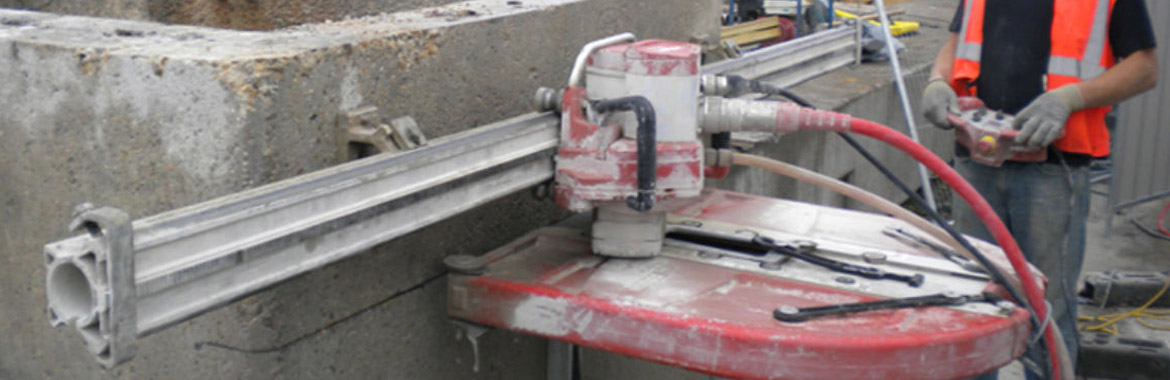
What London Contractors Should Know About Precision Concrete Cutting
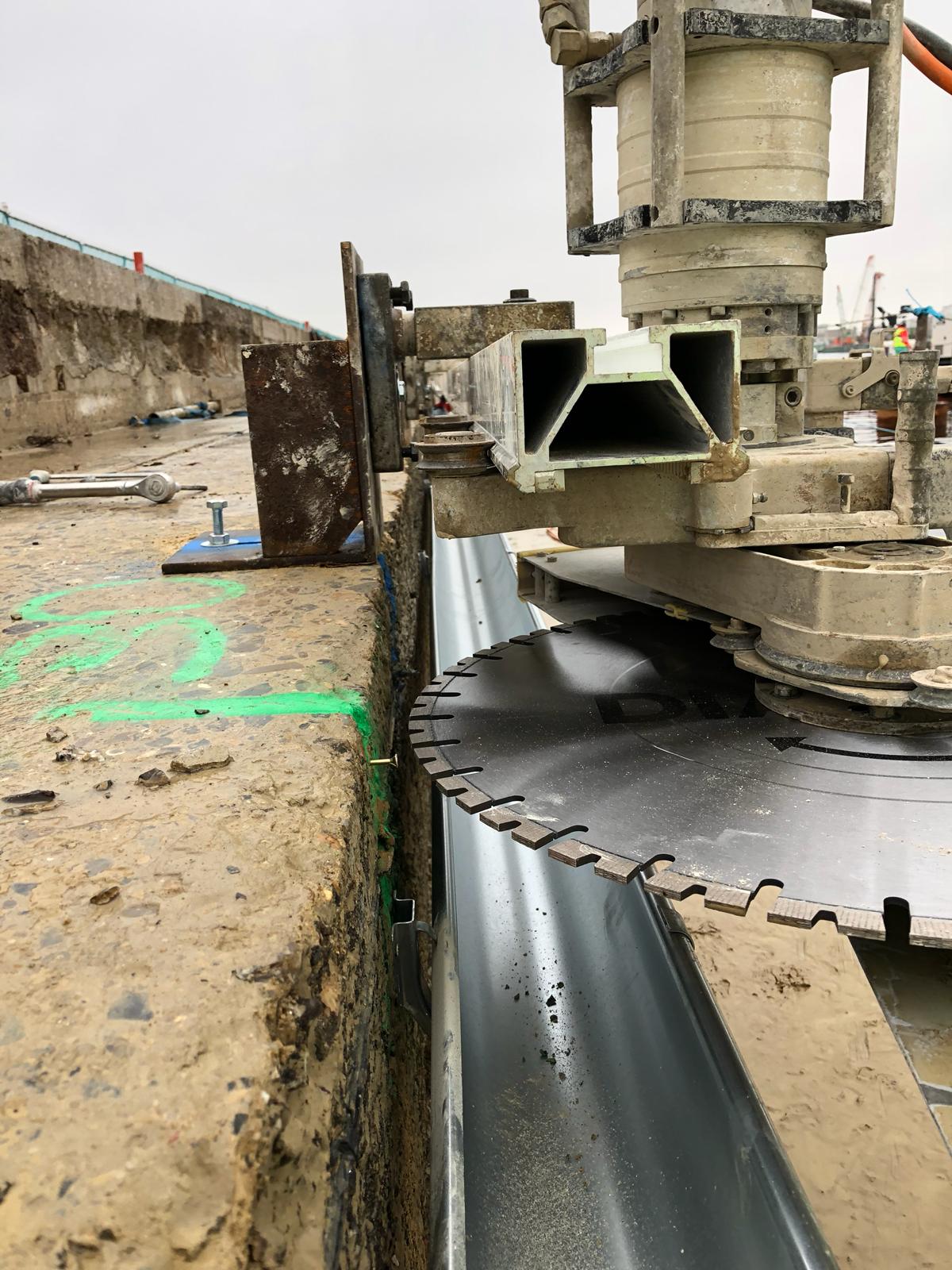
What London Contractors Should Know About Precision Concrete Cutting
Objective:
When you need to alter reinforced concrete on a London construction site, accuracy matters. This guide explains how precision concrete cutting London services work, which cutting methods may suit your project, and what to check before appointing a specialist contractor.
Key Takeaways
- Precision concrete cutting creates controlled cuts to defined dimensions and locations.
- Diamond concrete cutting London services can be used for reinforced concrete, floors, walls and structural alterations.
- Wall sawing, floor sawing and track sawing suit different cutting requirements.
- Dust, vibration, noise, access and site conditions should be assessed before work begins.
- The right concrete cutting contractors in London should have suitable equipment, trained operatives and relevant project experience.
Introduction
Concrete cutting may look straightforward, but on a commercial construction site, accuracy matters. When you need to create an opening, modify a reinforced concrete slab or remove a defined section, an incorrect cut can affect the work that follows. This is why choosing the right precision concrete cutting London service is important for contractors, project managers, engineers and site teams.
Did you know? The UK Health and Safety Executive (HSE) identifies concrete cutting as an activity that can produce respirable crystalline silica (RCS), a fine dust that can cause serious lung disease. Effective dust control therefore needs to be part of the work plan, not an afterthought.
The good news is that specialist diamond concrete cutting methods allow contractors to make controlled cuts through concrete and reinforced concrete. But which method should you use, and what should you check before the work starts? Let’s break it down.
Table of Contents
- What Is Precision Concrete Cutting?
- Why Accuracy Matters on London Sites
- Which Cutting Method Do You Need?
- Safety and Dust Control
- How to Choose a Concrete Cutting Contractor
- A Real Central London Example
- FAQs
What Is Precision Concrete Cutting?
Precision concrete cutting is the controlled cutting of concrete to a required line, depth or size using specialist equipment. Diamond concrete cutting uses diamond-tipped tools that can cut through concrete and reinforced concrete with a high level of accuracy.
For contractors, this can be useful when you need to create structural openings, modify slabs, remove sections of concrete or prepare areas for M&E work. The key is not simply making a cut. You need the cutting method to suit the material, depth, location and wider project requirements.
Why Accuracy Matters on London Sites
London projects often involve restricted access, occupied buildings, tight programmes and existing structures. In these conditions, uncontrolled breaking can create more noise, vibration and debris than the task requires.
A better approach starts with assessing the site and selecting the right equipment.
| Project requirement | Possible cutting method |
| Vertical structural opening | Wall sawing |
| Horizontal floor or slab | Floor sawing |
| Deeper structural cut | Track sawing |
| Reinforced concrete alteration | Diamond saw cutting |
| Controlled section removal | Diamond cutting and suitable removal methods |
For example, CA Drillers recently completed work on a Central London commercial site involving reinforced concrete. The project included five 152 mm diameter drilled holes, five 1.2 m vertical hand-saw cuts and 16.7 m of track sawing, all to a depth of 230 mm. The work was planned around accurate cutting and minimal disruption to a live site.
That example shows why method selection matters. The contractor did not rely on one cutting technique for every task.
Which Cutting Method Do You Need?
Wall Sawing
Wall sawing is suited to controlled cuts through vertical concrete structures. It can be considered where a project requires accurate wall openings or structural modifications.
Floor Sawing and Concrete Slab Cutting
Floor sawing is commonly used on horizontal concrete surfaces. For concrete slab cutting, your contractor should consider the slab thickness, reinforcement, required depth and site access before work begins.
Track Sawing and Diamond Saw Cutting
Track sawing provides guided cutting for demanding structural work. Your contractor should select equipment based on the required cut depth, material and site conditions rather than simply choosing the fastest option.
Safety and Dust Control
Concrete cutting needs proper planning because concrete can contain crystalline silica. HSE states that cutting, drilling and grinding concrete can produce respirable crystalline silica, or RCS, which can cause serious lung disease.
Before work starts, your site team should consider:
- Dust suppression or suitable extraction.
- Respiratory protective equipment where required by the risk assessment.
- Water and slurry management.
- Noise and vibration controls.
- Safe access and working areas.
- A suitable method statement and risk assessment.
HSE identifies wet dust suppression and local exhaust ventilation as established ways to control dust from concrete cutting.
How to Choose Concrete Cutting Contractors in London
Do not compare contractors on price alone. Ask whether they have the right equipment and relevant experience for your specific work.
Check:
- Relevant experience: Have they worked on reinforced concrete and similar projects?
- Cutting capability: Can they provide wall sawing, floor sawing, track sawing or other required methods?
- Site planning: Will they assess access, dust, vibration and surrounding structures before work?
- Safety: Can they provide the required site documentation and controls?
- Project delivery: Can they work around your programme and other trades?
CA Drillers’ published project work includes commercial, structural and infrastructure projects, including work where low-vibration methods were required near the Crossrail tunnel at Paddington New Yard.
A Practical Lesson From Central London
On a recent Central London commercial project, CA Drillers carried out diamond drilling, hand sawing and track sawing through reinforced concrete. The team completed a site assessment, selected suitable cutting methods and controlled dust, vibration and noise during the work.
For your own project, the lesson is simple: define the required cut first, then select the method and equipment that can achieve it safely and accurately.
The Right Cut Starts With the Right Plan
Good precision concrete cutting London work starts before the saw reaches the concrete. Your project team needs to understand the structure, required dimensions, access, cutting depth and site controls.
If you need diamond concrete cutting, speak to CA Drillers about your project requirements and site conditions. Our specialist team can help you assess the appropriate cutting approach for your work.
Frequently Asked Questions About Precision Diamond Drilling in Kent
What is precision concrete cutting?
Precision concrete cutting uses specialist equipment to make controlled cuts in concrete to specified dimensions and locations. Diamond-tipped tools are commonly used for reinforced concrete work.
When is diamond concrete cutting used?
Diamond concrete cutting can be used for structural alterations, openings, floor and wall cutting, reinforced concrete and controlled concrete removal.
What is the difference between wall sawing and floor sawing?
Wall sawing is designed for vertical concrete structures, while floor sawing is generally used on horizontal surfaces such as floors and slabs.
Is concrete cutting a silica dust risk?
Yes. HSE states that cutting concrete can produce respirable crystalline silica, so suitable dust controls and other protective measures should be assessed for the work.
How should I choose concrete cutting contractors in London?
Look at relevant project experience, equipment, cutting methods, safety procedures, site credentials and their ability to meet your project's technical and programme requirements.
- Search
- Categories
- Blog
- Brokk demolition
- Certificate
- Concrete Cutting
- Controlled Demolition
- Core Drilling
- core drilling Kent
- Diamond Concrete Cutting
- Diamond Concrete Drilling
- Diamond Drilling
- Diamond Drilling Essex
- Diamond drilling Kent
- Diamond Drilling Surrey
- Diamond Sawing
- Fire doors
- Floor Preparation
- Hydraulic Bursting
- Kent construction drilling
- Magnetic Drilling
- Passive Fire Protection
- Stitch Drilling
- Wire Sawing Services
- Archives