
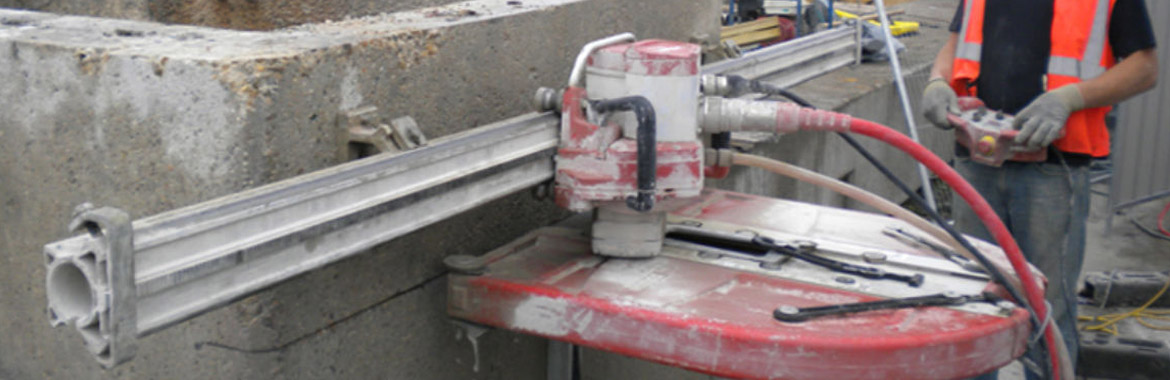
Choosing the Right Drilling Method for Accuracy, Safety and Efficient Site Work
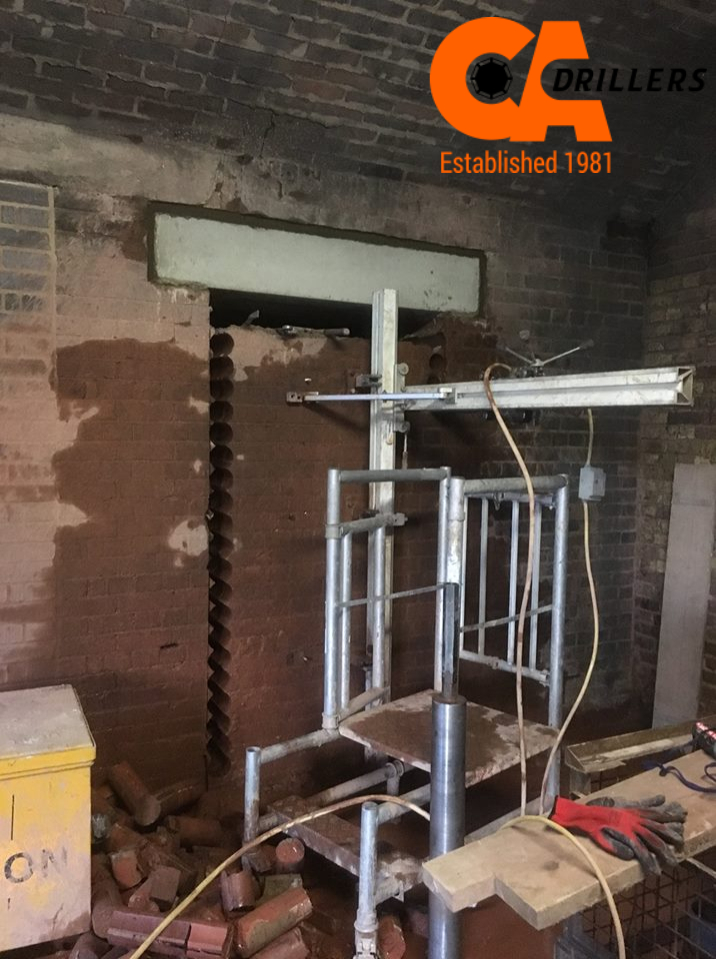
Choosing the Right Drilling Method for Accuracy, Safety and Efficient Site Work
Objective
This guide explains how to select suitable drilling methods, manage site risks and improve work planning for commercial construction, refurbishment and infrastructure projects.
Key Takeaways
- Select a drilling method according to the material, opening size and project requirements.
- Diamond core drilling is suitable for many precise holes in concrete and reinforced concrete.
- Check structural drawings and concealed services before drilling.
- Prior to drilling, make plans to control dust, provide equipment and material access and remove drilling waste.
- Use specialists for drilling tasks when the work requires advanced skills.
Introduction
Choosing the right drilling method is essential when accuracy, structural safety and site efficiency matter. For construction project managers, site supervisors and structural engineers, the decision depends on the material, opening dimensions, reinforcement and working conditions. Professional diamond drilling services for construction projects can help address these requirements, particularly when working with reinforced concrete or planning openings for pipes, cables and ventilation systems.
Both of these drilling techniques require plans for effective dust control. The HSE outlines the risks to workers’ health from exposure to respirable crystalline silica, including the control measures and means to eliminate exposure.
Table of Contents
- Why Does the Right Drilling Method Matter?
- Which Drilling Method Should You Choose?
- What Should You Check Before Drilling?
- How Can You Improve Safety and Accuracy?
- How Does the Right Method Improve Site Efficiency?
- When Should You Hire Specialist Drilling Contractors?
- Frequently Asked Questions
1. Why Does the Right Drilling Method Matter?
Construction projects often require openings for drainage pipes, electrical cables, ventilation ducts and other building services. Each task has its own requirements, so one drilling method will not suit every situation.
Choosing the right drilling method helps you meet the required dimensions while protecting the surrounding material. It also helps site teams plan work around other trades and avoid unnecessary repairs.
For example, creating a circular opening for a ventilation duct requires a different approach from forming a large opening in a reinforced concrete wall. The material, depth, reinforcement and final dimensions all affect the decision.
2. Which Drilling Method Should You Choose?
The best method depends on the work you need to complete. Understanding the main options helps you make a better decision before equipment arrives on site.
| Drilling method | Common application | Main consideration |
| Diamond core drilling | Circular holes for pipes, cables and ventilation | Required diameter, depth and reinforcement |
| Stitch drilling | Larger openings formed from overlapping core holes | Opening dimensions and structural requirements |
| Magnetic drilling | Holes in suitable steel components | Secure equipment attachment and material suitability |
| Diamond sawing | Straight cuts through suitable concrete structures | Cut depth, access and removal requirements |
When Is Diamond Core Drilling Suitable?
Diamond core drilling uses a rotating core bit with diamond cutting segments to produce circular openings. It is widely used for service penetrations in concrete and other suitable materials.
It can be particularly useful when you need accurately positioned holes for plumbing, electrical installations or ventilation systems.
When Should You Consider Stitch Drilling?
Stitch drilling forms a larger opening through a series of overlapping core holes. It can be suitable for structural modifications where a conventional circular hole would not meet the requirements.
Before work begins, the proposed opening must be checked against structural requirements and the approved drawings.
For diamond drilling for complex construction projects, the choice should reflect the opening dimensions, reinforcement, access restrictions and planned removal of the cut material.
3. What Should You Check Before Drilling?
Good preparation starts before the first hole is made. These checks help your team select suitable equipment and reduce the risk of costly mistakes.
- Material and thickness: Confirm whether you are drilling reinforced concrete, plain concrete, masonry or steel.
- Hole dimensions: Record the required diameter, depth, position and tolerances.
- Structural requirements: Review the relevant drawings and obtain approval where required.
- Concealed services: Check for pipes, electrical cables and other hidden services using suitable information and detection methods.
- Site access: Assess whether the equipment can be installed and operated safely in the available space.
Consider a refurbishment project where new drainage pipes must pass through an existing concrete slab. Checking the service route, slab thickness and structural requirements before drilling helps the team choose a suitable method and plan the work properly.
4. How Can You Improve Safety and Accuracy?
Accurate drilling depends on good preparation, suitable equipment and trained operatives. Safety planning must also account for the hazards created by the work.
Drilling concrete may result in exposure to respirable crystalline silica dust, which can cause lung disease, including silicosis, as stated by the UK’s Health and Safety Executive (HSE). The guidance provided by the HSE suggests a number of controls, including the use of a wet drilling system, to reduce exposure to dust. Depending on the controls and the work, RPE may still be needed.
Before drilling begins:
- Confirm the hole position against approved drawings.
- Check for concealed services and reinforcement.
- Secure the drilling equipment using a suitable fixing method.
- Plan for falling cores and protect people in the area below.
- Arrange safe collection of drilling water and slurry.
- Follow the site-specific risk assessment and method statement.
These checks help protect workers, surrounding structures and other trades working nearby.
5. How Does the Right Method Improve Site Efficiency?
Site efficiency depends on more than drilling speed. Equipment suitability, access, preparation and coordination all affect how smoothly the work proceeds.
Plan drilling locations before plumbing, electrical and ventilation teams begin their installations. Confirm measurements early and make sure the required equipment is available when the work is scheduled.
You should also plan how to collect slurry, remove cores and keep access routes clear. Poor planning in these areas can disrupt nearby work, even when the drilling itself goes well.
A useful rule: Confirm the opening, check the structure, select the method and plan the work area before starting.
6. When Should You Hire Specialist Drilling Contractors?
Drilling contractors are useful when there are special requirements due to reinforced concrete, access constraints, large opening dimensions or environmental constraints.
Professional diamond drilling services for construction projects can help you assess these requirements and identify an appropriate method for the work.
When comparing diamond drilling contractors for construction projects, check their relevant experience, equipment, operator competence, safety procedures and ability to meet your project specifications.
For commercial and infrastructure work, also confirm how the contractor will manage access, material removal, slurry and coordination with other teams.
Real Project Example: Silvertown Tunnel
On the Silvertown Tunnel project in London, CA Drillers used vertical stitch drilling to separate sections of an existing river wall for removal. Because the work took place close to the River Thames, the team used water and slurry control measures to prevent drilling waste from entering the river.
This example shows why selecting a drilling method requires attention to the structure, the removal process and the surrounding environment.
Choose the Right Method Before Work Begins
The right drilling method depends on your material, opening dimensions, structural requirements and site conditions. Taking time to assess these factors can help reduce avoidable rework and support safer site operations.
Professional diamond drilling services for construction projects are worth considering when your work requires specialist equipment, accurate openings or careful planning around structural and environmental constraints.
Need help planning your next project?
Contact CA Drillers to discuss your requirements and find out which specialist drilling services may suit your site.
FAQ
1. What is the best drilling method for reinforced concrete?
Diamond core drilling is suitable for many precise holes in reinforced concrete. The correct method depends on the reinforcement, required dimensions and structural requirements.
2. What is the difference between core drilling and stitch drilling?
Core drilling creates a circular hole. Stitch drilling uses overlapping core holes to form a larger opening.
3. How can you make concrete drilling safer?
Check for hidden services, assess structural requirements and use suitable dust controls. Follow the site-specific safety plan and relevant HSE guidance.
4. How do you choose a concrete drilling contractor?
Check relevant experience, equipment suitability, operator competence, safety procedures and the contractor's ability to meet your project specifications.
5. Why is diamond drilling used in construction?
It can produce accurate circular openings in suitable concrete and other materials for pipes, cables, ventilation and building services.
- Search
- Categories
- Blog
- Brokk demolition
- Certificate
- Concrete Cutting
- Controlled Demolition
- Core Drilling
- core drilling Kent
- Diamond Concrete Cutting
- Diamond Concrete Drilling
- Diamond Drilling
- Diamond Drilling Essex
- Diamond drilling Kent
- Diamond Drilling Surrey
- Diamond Sawing
- Fire doors
- Floor Preparation
- Hydraulic Bursting
- Kent construction drilling
- Magnetic Drilling
- Passive Fire Protection
- Stitch Drilling
- Wire Sawing Services
- Archives