
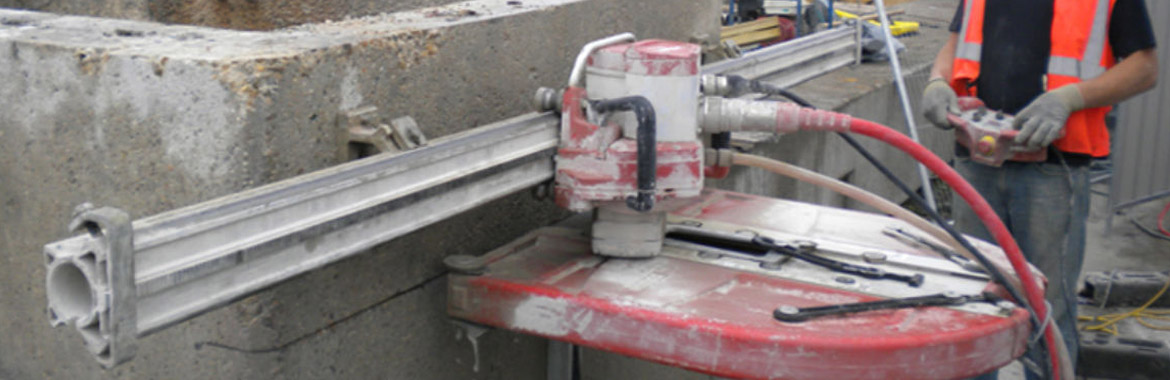
Core Drilling for Complex Construction Projects: Planning, Access, and Execution
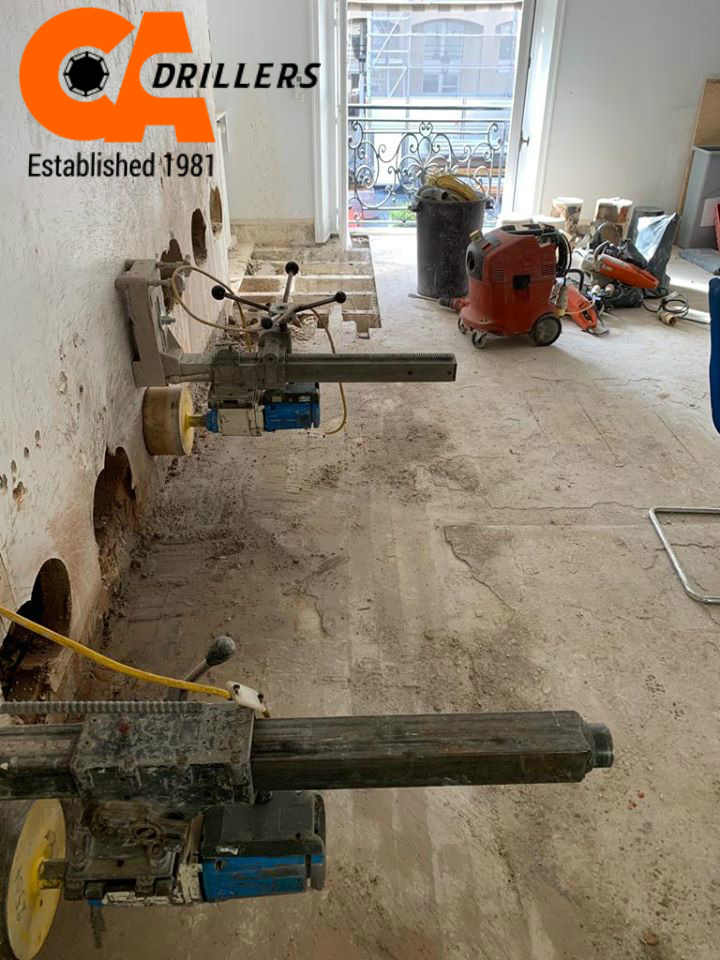
Core Drilling for Complex Construction Projects: Planning, Access, and Execution
Objective
This guide explains how contractors can plan and deliver core drilling on complex construction projects while protecting structures, existing services, workers, and project schedules.
Key Takeaways
- Review the work area and confirm the exact drilling position before mobilising.
- Check structural drawings, reinforcement, and embedded services before forming any core.
- Plan access early, especially in basements, risers, plant rooms, and occupied buildings.
- Build core drilling into the programme so other trades are not delayed.
- Use suitable dust suppression, slurry containment, and vibration controls throughout the work.
Core Drilling for Complex Construction Projects: Planning, Access, and Execution
Professional core drilling services in London give contractors a reliable way to form accurate openings in concrete without damaging surrounding structures or disrupting the wider programme. On complex projects, careful planning is just as important as the drilling itself.
Did you know? Concrete drilling can generate respirable crystalline silica dust, a health risk that HSE guidance for diamond coring recommends water suppression for wet coring and suitable on-tool extraction where dry coring is necessary.
Whether you need penetrations for M&E services, structural investigations, drainage or cabling, diamond drilling for core drilling applications must be planned around the structure, access restrictions and other trades. This guide sets out the practical steps contractors should take before drilling begins.
Table of Contents
- Assess the Site Before Core Drilling
- Check Structures and Embedded Services
- Plan Access for Core Drilling Equipment
- Coordinate Core Drilling With Other Trades
- Choose the Right Core Drilling Method
- Control Dust, Slurry, Noise, and Vibration
- Your Pre-Drilling Checklist
- FAQs
1. Assess the Site Before Core Drilling
Look beyond the concrete section that needs the opening. Review the work area, access routes, nearby plant, temporary structures, floor levels, and other teams working close by.
Confirm the required hole diameter, depth, position, tolerance, and finish with the project team. On complex sites, even a small positioning error can affect later M&E installation, fire stopping, or waterproofing.
The CDM Regulations 2015 require principal contractors to plan, manage, and monitor construction work and coordinate health and safety between contractors. Core drilling should therefore be built into the programme from the start.
2. Check Structures and Embedded Services
Review structural drawings and concrete details
Look through the drawings for the concrete thickness, reinforcement layout, slab type, beams, and any earlier alterations. If the element is post-tensioned or load-bearing, get approval from the engineer before drilling.
Identify live services
Electrical, mechanical, plumbing, data, and fire-protection services may be hidden inside the structure. Use drawings, scans, and physical checks to confirm what lies behind the surface.
Confirm the drilling point
Never rely on an old drawing alone. Confirm the exact position on site and raise any uncertainty with the appropriate project professional.
Key Point: Correct service identification protects workers, prevents costly damage, and avoids unplanned shutdowns.
3. Plan Access for Core Drilling Equipment
Access often determines how straightforward a drilling job will be. Check these points before mobilising:
- Rig reach: Confirm the rig can get to the work area safely.
- Loading and entry: Check floor loading, lift capacity, stairs, and door widths.
- Overhead limits: Look for overhead obstructions and any work at height.
- Power and water: Arrange a power supply, a water supply, and a way to remove wastewater.
- Area status: Find out whether the area is occupied, live, or restricted.
- Working space: Leave enough room for operatives, exclusion zones, and equipment.
Confined basements, plant rooms, risers, and occupied buildings may need a smaller rig, vacuum mounting, or a different setup. Sorting out access early avoids delays when the crew arrives on site.
4. Coordinate Core Drilling With Other Trades
A core drilling package should fit the wider construction sequence. For example, drilling slab penetrations before ductwork, ceiling grids, or finished surfaces are installed usually makes access easier and reduces rework.
Coordinate with:
- M&E contractors
- Electricians and plumbers
- Structural engineers
- Fit-out contractors
- Site management
- Other specialist subcontractors
Agree on who marks and approves the positions, when the area will be available, and how completed cores will be handed over. Clear ownership avoids duplicated work and programme conflict.
5. Choose the Right Core Drilling Method
The method should match the concrete opening size, depth, access, and site constraints.
| Requirement | Suitable approach |
| Accurate circular opening for a pipe or cable | Diamond core drilling |
| Large opening through reinforced concrete | Stitch drilling or sawing |
| Restricted access or deep drilling | Specialist rig setup |
| Sensitive structure or live environment | Low-vibration diamond drilling |
| Structural removal or large void formation | Sawing, bursting, or controlled demolition |
Diamond drilling services for core drilling projects work well when a site needs clean, accurate openings for services, testing, anchors, or structural investigations. The correct method keeps the work controlled while other site activities continue.
6. Control Dust, Slurry, Noise, and Vibration
Control silica dust
Use wet drilling or suitable extraction where appropriate. HSE guidance for diamond coring recommends suitable equipment, the correct diamond bit, and water suppression for wet coring.
Manage slurry
Wet drilling creates slurry. Plan containment, collection, and disposal before work starts. Slurry left on walkways can create a serious slip hazard and may enter drainage or finished areas.
Consider vibration
Vibration matters near sensitive structures, occupied areas, tunnels, and critical infrastructure. Select drilling methods and equipment to minimise disturbance where the structure or surrounding environment is a factor.
7. Your Pre-Drilling Checklist
Before the drill arrives, confirm
| Check | What to Confirm |
| Location | Exact core position approved |
| Structure | Drawings, thickness, and structural constraints reviewed |
| Services | Live services and embedded elements checked |
| Access | Rig, operatives, and water and power access confirmed |
| Programme | Other trades are informed, and area available |
| Safety | Method statement, controls, and exclusion zone arranged |
| Dust | Suitable dust-control method selected |
| Slurry | Collection, containment, and disposal planned |
| Equipment | Correct rig, core bit, and mounting method selected |
Practical tip: If the drilling position, access, or site conditions are unclear, stop and resolve the issue before work starts.
Plan Core Drilling Before You Start
Successful core drilling starts long before the first hole is formed. Check the structure, confirm services, plan access, coordinate trades, and choose equipment suited to the real site conditions.
For complex commercial, infrastructure, or occupied-site work, CA Drillers provides specialist core drilling support across London and the UK. Contact the team to discuss your project requirements and request a quotation based on the required openings, access, and programme.
FAQ
Is core drilling suitable for active construction sites?
Yes. It is used on live sites all the time because it gives accurate openings, and with proper planning, dust and vibration stay under control.
What should contractors check before concrete drilling?
Start with the structural drawings, concrete thickness, reinforcement, and embedded services. Then confirm access, the drilling position, safety controls, and the programme.
How should contractors control slurry during wet drilling?
Contain it, collect it, and clear it up quickly. Keep it away from walkways, drains, and finished areas.
Why is diamond core drilling used for building services?
It cuts clean, precise round holes inconcrete walls, slabs and other structural elements.
How do you choose a core drilling contractor in London?
Look for relevant project experience, skilled operatives, suitable equipment, and strong safety controls. The contractor should also be able to work around a live construction programme.
- Search
- Categories
- Blog
- Brokk demolition
- Certificate
- Concrete Cutting
- Controlled Demolition
- Core Drilling
- core drilling Kent
- Diamond Concrete Cutting
- Diamond Concrete Drilling
- Diamond Drilling
- Diamond Drilling Essex
- Diamond drilling Kent
- Diamond Drilling Surrey
- Diamond Sawing
- Fire doors
- Floor Preparation
- Hydraulic Bursting
- Kent construction drilling
- Magnetic Drilling
- Passive Fire Protection
- Stitch Drilling
- Wire Sawing Services
- Archives