
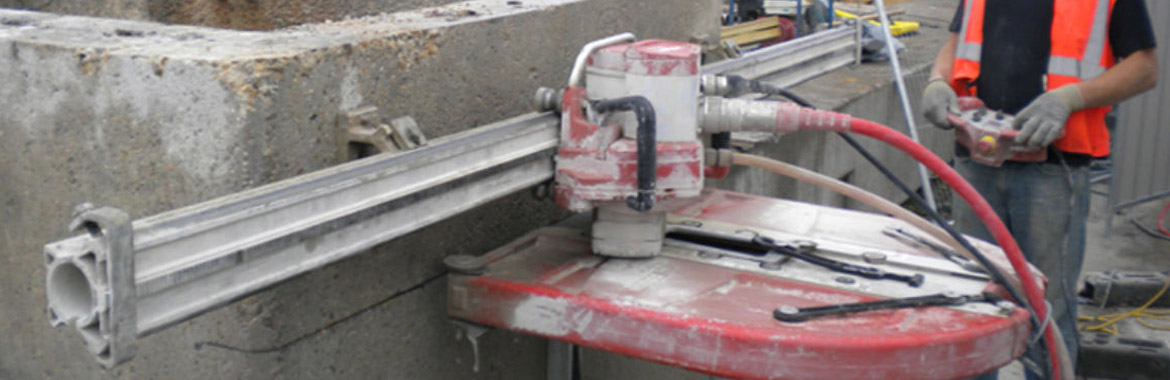
How Diamond Sawing Helps in Clean & Accurate Concrete Cutting
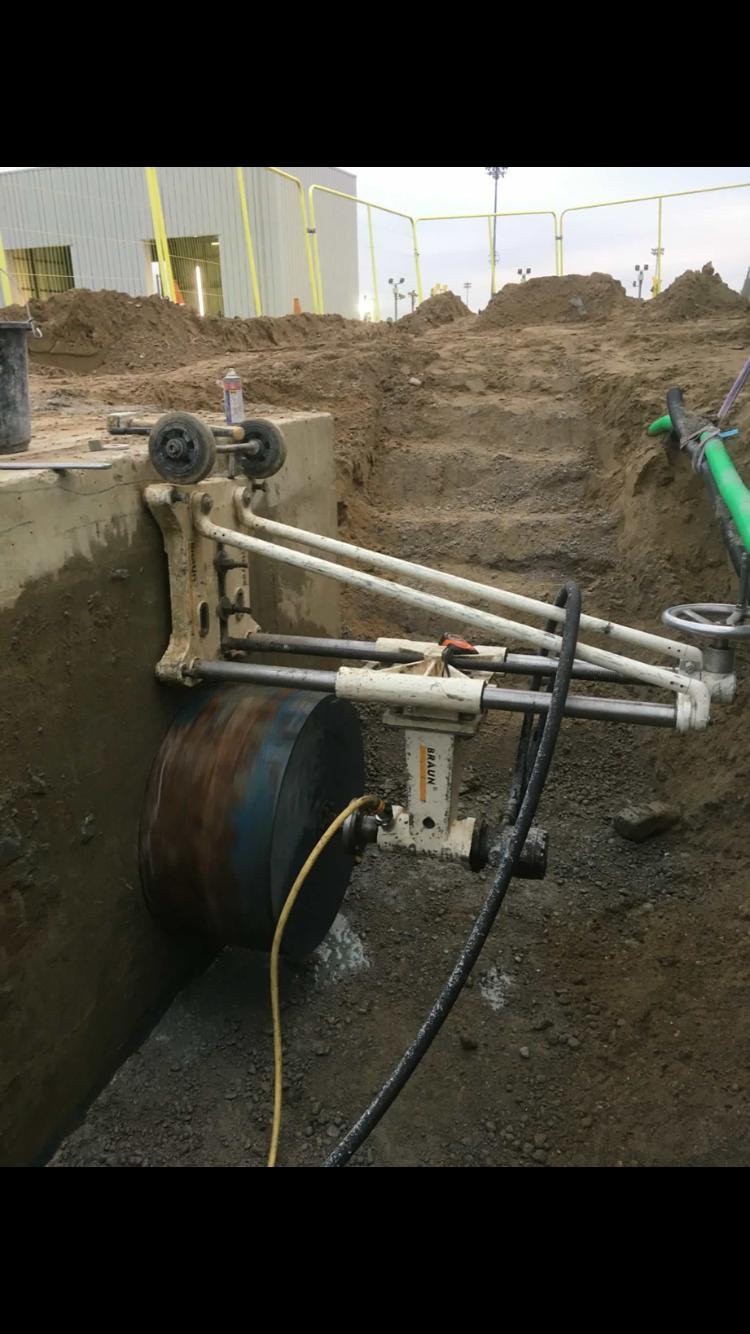
How Diamond Sawing Helps in Clean & Accurate Concrete Cutting
One small mistake in cutting concrete can lead to long days of delay, safety risks, and costly repairs. Anyone who’s worked at a construction site will be familiar with this. You design the cut, trace it exactly, but you still have to be concerned about cracks, rough edges, or even damage to the structures around it. This is precisely the reason precision is crucial in the modern-day construction industry.
The thing is that concrete is not forgiving. Once it’s cut, there’s no easy way back. This is where diamond sawing has changed how professional contractors approach structural cutting. It allows controlled, clean, and accurate results without the chaos that comes with older methods.
Did you know that industry safety bodies and construction authorities consistently highlight dust control and vibration reduction as key factors in preventing long-term structural damage and worker health issues?
Research shared by leading construction safety organisations shows that precision cutting methods reduce micro-cracking and airborne dust exposure on busy sites.
Before we go deeper, let’s make this easy to scan.
Key takeaways
- Cleaner cuts protect structural strength
- Accuracy reduces rework and material waste
- Controlled cutting improves site safety
- Professional methods support compliance on UK sites
At its core, this method uses specially engineered blades set with industrial-grade diamonds to cut through reinforced concrete in a controlled way. This results in precision as well as smoother edges and significantly less strain to the concrete structure.
Why Precision Concrete Cutting Matters on Modern Job Sites
Modern construction sites demand control, not force. Deadlines are tight, safety rules are strict, and margins leave little room for error.
Poor cutting methods often result in broken slabs, damaged reinforcement and dangerous working areas. In regulated environments such as hospitals, commercial buildings, or city projects, that risk is unacceptable.
Risks of inaccurate concrete cutting
- Structural weakening due to vibration
- Over-cutting, which affects adjacent load-bearing areas
- Additional time to fix uneven or rough edges
- Noise and dust risk for employees
Where traditional cutting methods fall short
Older tools rely heavily on impact. They shake the concrete instead of slicing it cleanly. The vibration can spread stress over the cut line, which could cause hidden cracks. This can result in more expensive repairs later on.
How Diamond-Based Sawing Technology Improves Accuracy
Precision cutting doesn’t just mean speed by itself. It’s about control at each step.
Diamond-based equipment’s blade is able to cut rather than tear into the material. This allows contractors to take exact measurements without harming adjacent areas. For complex construction, this level of control is crucial.
How diamond blades deliver cleaner edges
- Smooth, straight cut lines
- Minimal surface damage
- Less need for patching or grinding
Reduced vibration and structural stress
Lower vibration protects reinforcement and the surrounding concrete. This makes the method suitable for refurbishment work and structural changes where existing integrity must stay intact.
Concrete Cutting Applications That Demand Diamond Accuracy
Different projects need different cutting approaches. One method rarely fits all.
Floor sawing for slabs and roadways.
This method is widely used for expansion joints, service trenches, and controlled slab removal. It provides the same depth control and assists in protecting embedded services.
Wire sawing for complex structures
When projects involve large or irregular shapes, wire sawing offers flexibility. It is particularly useful when it comes to thick or highly reinforced sections in which access is not as easy.
Deep sawing for heavy-duty concrete
Some structures require deeper cuts without cutting too much. The deep sawing process allows for precise cuts while ensuring that the surrounding material remains in place.
Through these applications, professional teams depend on cutting diamonds in order to ensure precision while performing their job.
Clean Cutting Is About Safety and Compliance
Clean cutting is not only about appearance. It directly affects health, safety, and legal compliance.
Dust control and worker safety
Controlled cutting methods reduce airborne dust, which helps protect workers from long-term respiratory issues. This supports safer working conditions on enclosed or active sites.
Noise reduction on sensitive projects
Lower levels of noise are important when working in public areas or operating buildings. A reduced amount of disruption allows projects to continue without complaints or interruptions.
Why Contractors Choose Professional Diamond Sawing & Cutting Services
Precision equipment alone is not enough. Skill, planning, and experience matter just as much.
Professional diamond sawing & cutting services include proper site assessment, blade selection, and controlled execution. This ensures every cut matches the project plan.
Experience that saves time and cost
At CA Drillers, we’ve seen how the right approach prevents costly mistakes. On commercial refurbishments, clean cuts often allow immediate follow-on trades to start work without delay.
Real site example
On a recent structural modification project, accurate cutting reduced edge repairs entirely. The client avoided extra labour costs and completed the phase ahead of schedule. That’s the practical value of working with trained specialists.
A lot of contractors depend heavily on diamond cutting and sawing since they are aware that precision today can prevent problems in the future.
Cutting Methods at a Glance
| Cutting Method | Best Use Case | Key Benefit |
| Floor sawing | Slabs and flat surfaces | Clean, straight lines |
| Wire sawing | Large or awkward shapes | Flexible and precise |
| Deep sawing | Thick concrete sections | Controlled depth |
This comparison helps teams choose the right method before work begins.
Common Misconceptions About Precision Cutting
“It’s only for large projects”
Even minor modifications are aided by precision. Cuts that are clean reduce the need for repair work, no matter how large.
“Traditional methods cost less”
While impact tools may seem cheaper at first, rework and damage often raise total costs.
Expert Insight from the Industry
Construction engineers often stress that controlled cutting protects structural performance. Industry guidance from recognised UK bodies supports the use of low-vibration methods to reduce long-term damage and health risks.
This aligns with how we work at CA Drillers, where safety and precision guide every project.
Precision That Builds Confidence, Not Corrections
If precision is important, cutting corners isn’t a choice. The use of diamond sawing permits projects to progress in a safe, secure, and control. Clear cuts safeguard structures, ensure compliance and help to ensure timelines remain in place.
Here at CA Drillers, we believe that precision is the key element to building a strong foundation. If you’re looking for high-quality results, hiring skilled professionals can make the difference.
Ready to plan your next cut with confidence?
Work with experts who are aware of the importance of safety, precision and the demands of a real site. Let’s make sure it’s done the first time perfectly.
Frequently asked questions
What makes this method more accurate than impact tools?
It cuts cleanly with minimal vibration, keeping the structure stable.
Is it suitable for reinforced concrete?
Yes, it handles steel reinforcement with controlled precision.
Does it reduce dust on site?
Water-assisted cutting helps limit airborne dust.
When is wire sawing preferred?
For large, thick, or irregular concrete sections.
Can it lower overall project costs?
Yes, by reducing rework and damage.
- Search
- Categories
- Blog
- Brokk demolition
- Certificate
- Concrete Cutting
- Controlled Demolition
- Core Drilling
- Diamond Concrete Cutting
- Diamond Concrete Drilling
- Diamond Drilling
- Diamond drilling Kent
- diamond drilling london
- Diamond Sawing
- Fire doors
- Floor Preparation
- Hydraulic Bursting
- Magnetic Drilling
- Passive Fire Protection
- Stitch Drilling
- Archives