
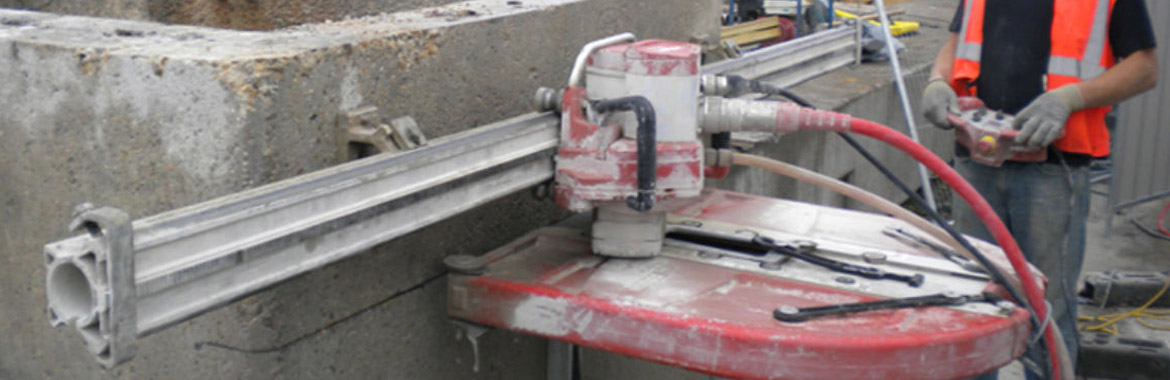
Why Diamond Drilling Is Essential for Modern Construction Projects
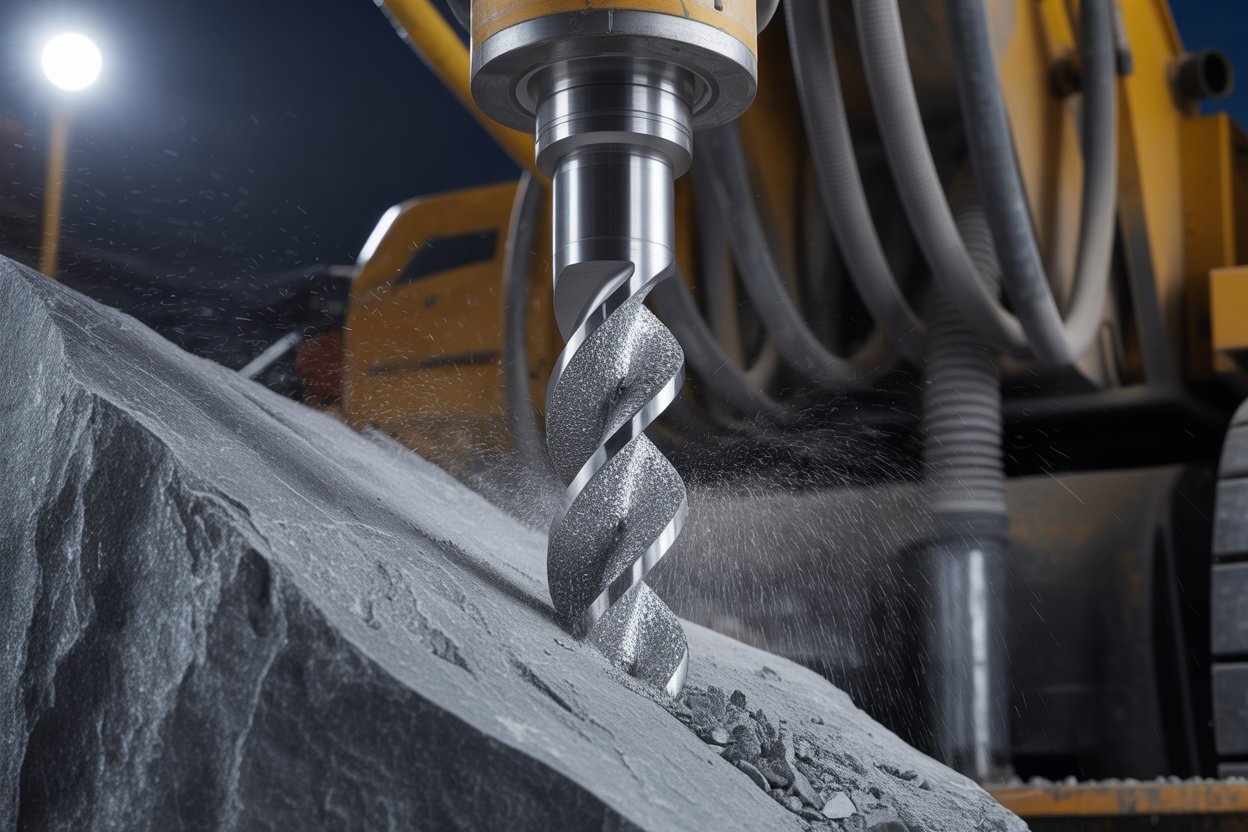
Why Diamond Drilling Is Essential for Modern Construction Projects
One clean cut can save weeks of noise, dust, and costly fixes. Modern construction isn’t just about the use of force. It’s all about control, safety and precise outcomes. If you look at how today’s buildings are shaped, from hospitals and retail spaces to office towers and public sites, precise cutting has become the backbone of progress.
Did you know that most structural damage during refits doesn’t come from design faults, but from poor drilling methods during modification work? That reality alone explains why diamond drilling now sits at the centre of modern construction planning.
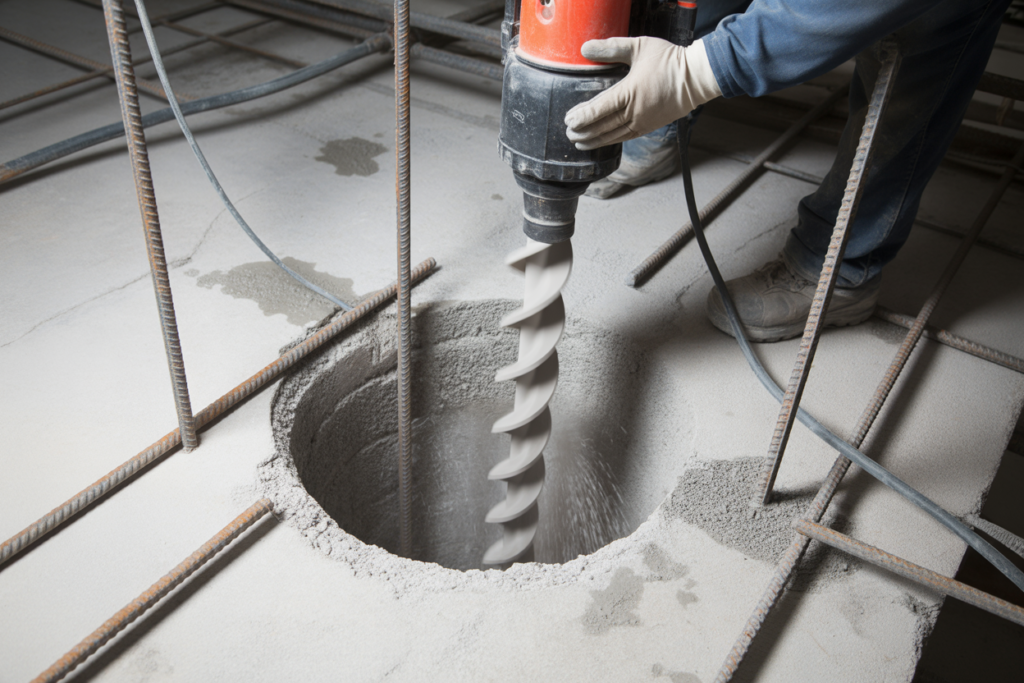
In simple terms, this method uses industrial-grade diamond-tipped tools to cut through concrete, stone, brick, and reinforced walls with clean edges and zero shock to the structure. No cracks. No hidden stress. No weak points left behind. What this means is more safety, quicker time frames, and fewer surprises on the site. If you are in charge of an upgrade or building it, it is more important than anything else.
Before we go deeper, here are the key takeaways you’ll gain from this guide:
- Why precision cutting protects your structure
- How modern drilling keeps projects on budget
- Where most traditional methods still go wrong
- What to check before hiring a drilling contractor
The Shift Toward Precision in Modern Construction
Construction in the UK has changed fast. Tight spaces, strict safety laws, and mixed-use buildings demand tools that work with care, not force. You no longer have the margin for error that was once common on open sites.
This is where precision drilling UK practices now lead the way. These methods allow you to cut through strong materials without shaking the structure or filling the air with dust. That’s not a bonus anymore. It’s a requirement.
One method that stands out here is concrete diamond drilling, which allows exact openings to be formed in walls, floors, and slabs without cracking the surrounding area. Engineers rely on it because the edge quality stays clean and the strength of the structure remains solid.
How Services and Utilities Are Installed Without Structural Risk
Modern buildings carry far more hidden systems than ever before. Behind every wall, there are pipes, power lines, data cables, and air systems. Creating openings for these services has to be exact.
This is where core drilling plays a key role. It allows round, accurate holes to be formed for:
- Electrical cabling
- Plumbing lines
- Heating and cooling systems
- Fire safety pipes
You see the difference right away. Instead of chipped edges and patchwork repairs, you get smooth openings that fit the service perfectly.
On live sites like offices, shops, and medical centres, noise and vibration must stay low. That’s why precision drilling UK methods are used again here. The structure stays calm. The people inside stay safe.
Why Diamond-Based Cutting Outperforms Old Drilling Tools
Traditional drilling methods still rely on heavy impact. That impact sends shock through concrete and steel. Over time, that shock weakens nearby areas.
The thing is that modern diamond-based systems cut rather than strike. The machine spins and cuts through the material using steady pressure instead of force. This helps protect the structure while speeding up the process.
In practice, diamond drilling is valued for:
- Clean and accurate edges
- No loose debris around the cut
- No stress fractures in nearby concrete
- Smooth finishes ready for fitting
From basements up to the upper floors, the final result remains the same. The clean work is free of hidden damage.
Solving Real Construction Problems on Live Sites
Let’s break it down with a real scenario. A busy office block needs service upgrades across several floors. Workers are still inside. Noise and dust must stay low. This is where controlled drilling becomes essential.
One refurbishment project handled by CA Drillers involved cutting new service access through reinforced floors while keeping offices open. The method used produced zero vibration issues and allowed follow-on trades to work immediately after each cut. No waiting, no patching, no delays.
On larger infrastructure sites, the same approach allows wide openings to be formed for:
- Lift shafts
- Service risers
- Drainage routes
- Structural tie-ins
This is where concrete diamond drilling shows its full strength again. Even thick reinforced slabs can be cut clean without harming nearby load-bearing areas.
Safety, Compliance, and Long-Term Structure Health
Modern construction rules leave no space for unsafe methods. Every cutting job must meet risk control standards. That means trained operators, proper dust control, and machines that meet strict safety checks.
Poor drilling may look fine at first. But months later, tiny cracks caused by vibration become visible. Over time, those cracks grow. This is one reason why precise methods now shape all serious structural work.
Used correctly, core drilling protects the concrete around the opening. There is no spread of force. No stress line running through beams or slabs. The structure keeps its strength long after the build ends.
Time, Cost, and On-Site Control Advantages
Builders don’t just need safe results. They need speed and cost control, too. Slow cutting, clean-up work, and repairs all add time and labour.
Here’s where precision methods give you a clear edge:
- Openings are ready to be fitted right now.
- There is no additional work needed to finish the cut
- A lesser amount of dust management is necessary
- Faster handover between trades
What this really means is fewer delays and better cost control. You stay on schedule, and your budget stays intact.
Clear Comparison of Drilling Methods
| Feature | Precision Diamond Method | Traditional Impact Method |
| Edge quality | Clean and smooth | Rough and uneven |
| Vibration | Very low | High |
| Dust levels | Controlled | Heavy |
| Structural stress | Minimal | High |
| Follow-on work | Immediate | Often delayed |
This difference alone explains why most modern contractors now avoid impact-only drilling systems for serious structural work.
What to Look for Before Hiring a Drilling Contractor
Not all drilling teams work at the same standard. Before you hire anyone, check for:
- Operator training and site safety records
- Equipment range for different materials
- Experience with live-site work
- Ability to manage dust and noise properly
General builders often offer drilling, but specialist teams exist for a reason. Precision work calls for specialists. This is where firms like CA Drillers stand out. They focus fully on controlled cutting, floor preparation, and safe demolition work rather than trying to cover every trade at once.
The Clean-Cut Future of UK Construction Is Already Here
Modern buildings are no longer about force. It is about accuracy, safety, and control. From service openings to major structural changes, diamond drilling now shapes how projects move forward without placing buildings at risk.
If you want results that protect your structure while keeping your schedule tight, this is where specialist diamond drilling services UK make the difference. The right method saves time, protects workers, and keeps long-term costs under control. With experienced teams like CA Drillers, complex cutting work becomes a smooth, planned part of the build rather than a site problem waiting to happen.
And when your project depends on accuracy instead of guesswork, trusted diamond drilling services UK stop being an option and start becoming a necessity.
Frequently Asked Questions
What is diamond drilling used for in construction?
It can be used to create clear openings in concrete floors and walls to provide access points, services, and for structural work.
Is diamond drilling safe for load-bearing concrete?
Yes, when done correctly, it avoids shock and protects the strength of the structure.
How deep can the drilling go?
Depth depends on the machine, but it can reach through very thick reinforced slabs.
Does this method damage nearby walls?
No, it cuts only where intended and leaves surrounding areas untouched.
Why is this method preferred in the UK today?
Because safety standards, live-site work, and structural protection all demand controlled cutting.
- Search
- Categories
- Archives