
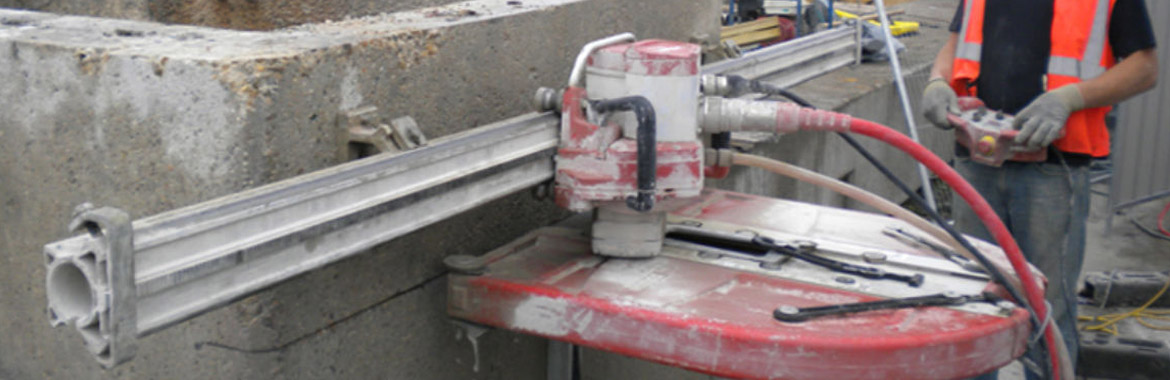
Diamond Drilling For Rail Infrastructure: Cable Containment, Fire Mains and Service Openings

Diamond Drilling For Rail Infrastructure: Cable Containment, Fire Mains and Service Openings
Objective
This blog explains how diamond drilling supports railway tunnel work, using the Crossrail project as a real example, and what to ask before you hire a specialist contractor.
Key Takeaways
- On Crossrail, CA Drillers drilled thousands of holes for cable containment, fire mains and the emergency walkway system.
- A specialist contractor makes the holes and openings, while other teams design and fit the railway systems.
- Crossrail shows how a small piece of cutting work can grow into a much larger drilling scope.
How does a railway tunnel that looks like a plain concrete tube end up holding cables, water pipes and walkways? Most of the answer starts with diamond drilling for rail infrastructure, because every bracket, pipe and duct needs a hole in exactly the right place before anything can be fitted.
You may think drilling is a small job at the end of a build. Many people feel the same until they see how many holes a long tunnel needs.
Below, we cover the work involved, how Crossrail shows it, and what to look for in a contractor.
Table Of Contents
- What Is Railway Diamond Drilling and Why Do Tunnels Need It?
- Cable Containment Drilling: How Holes Carry Cables Through A Tunnel
- Fire Main Drilling and Railway Service Openings
- Railway Tunnel Drilling In Practice: Lessons From Crossrail
- The Role Of A Specialist Contractor On Infrastructure Projects
- How To Choose A Contractor For Rail Infrastructure Drilling
- FAQs
What Is Railway Diamond Drilling and Why Do Tunnels Need It?
Railway diamond drilling uses a rig with a diamond tipped bit to cut round holes through concrete, brick and stone. Tunnels need it because it makes clean holes with little vibration, which protects the structure around each hole.
How Diamond Core Drilling Works
The rig uses a hollow bit to cut a neat cylinder out of the material. CA Drillers lists hole sizes from 8 mm to 1500 mm and depths up to 5 metres, with angled drilling up to 45 degrees.
Why It Suits Reinforced Concrete Tunnels
Many tunnels are reinforced concrete tunnels, with steel bars set inside the concrete. The CA Drillers site states that its diamond bits cut through concrete and steel reinforcement.
Tip: CA Drillers holds cores in place or supports them from below when needed, which helps site safety on the job.
Cable Containment Drilling: How Holes Carry Cables Through A Tunnel
Cable containment drilling means making the holes that hold the trays and supports carrying cables along a tunnel. It matters because a long cable run only works when every fixing sits in the right place.
What Cable Containment Systems Need
Cable containment systems keep cables in tidy lines along walls and roofs. Each support needs fixing holes, so a long tunnel needs a great many of them.
Why Drilling Accuracy Matters On Long Runs
Small mistakes grow over distance. If holes drift out of line, supports no longer match up and the cable team loses time. Good drilling accuracy keeps drilling for cable routes simple for the next trade.
Fire Main Drilling and Railway Service Openings
Fire main drilling makes the holes that let firefighting water pipes run through a tunnel. Railway service openings are the larger gaps that let pipes and ducts pass through walls and slabs.
Fire Main Drilling and Fire Protection Systems
Fire mains form part of the wider fire protection systems in a tunnel, and the pipes only fit properly when the holes are in the right spot.
Service Openings and Service Penetrations
Service penetrations are the openings where pipes, cables or ducts pass through a structure. For large openings in heavily reinforced concrete, the CA Drillers site describes stitch drilling, where closely spaced cores form a precise opening.
Railway Tunnel Drilling In Practice: Lessons From Crossrail
Railway tunnel drilling is easier to understand through a real project. On Crossrail, CA Drillers started with cutting work in a cross passage and ended up drilling thousands of holes.
The Project In Brief
Crossrail, now called the Elizabeth line, cost £15.4 billion and runs through 42 km of new tunnels under London. CA Drillers was appointed for specialist drilling, cutting and concrete works between Plumstead and Paddington, and its share was about £2.5 million.
How The Work Grew
In June 2016 the team began cutting inside a cross passage and then completed a concrete repair. The scope then grew to thousands of holes for cable containment, fire mains and the emergency walkways. The project page says the team worked without a single incident or accident.
The Role Of A Specialist Contractor On Infrastructure Projects
A specialist drilling contractor makes the holes and openings that other teams need. It does not design or install the railway systems, so its work supports the wider job.
What the Drilling Contractor Does
On Crossrail, CA Drillers drilled and cut so that other teams could fit the cable, fire main and walkway systems. That is how rail construction drilling usually fits into a project.
Working With Infrastructure Contractors
Infrastructure contractors run many trades at once on railway construction sites, and tunnel infrastructure only comes together when each trade has what it needs. For the drilling team, that means keeping clear records of what they drilled and where. CA Drillers says it provides documentation of completed work.
How To Choose A Contractor For Rail Infrastructure Drilling
For rail infrastructure drilling, look for proof of work in tunnels or on railway projects. Ask for anything you need in writing, such as current approvals.
Ask For Rail And Tunnel Evidence
- Can they show work inside tunnels or on railway projects?
- Did the scope grow on those jobs, and how did they handle it?
- What records will they hand over at the end?
Check Approvals Yourself
You may feel tempted to take a contractor’s word for it, but it is better to ask for current accreditations and approvals directly and check them yourself.
Getting Diamond Drilling Right On Rail Projects
Good drilling provides every other trade with the holes and openings they need, in the right place. Crossrail shows how a small piece of cutting work can grow into thousands of holes for cable containment, fire mains and emergency walkways.
If you are planning tunnel or railway work and want to talk through hole sizes, depths or openings, email info@cadrillers.com or use the CA Driller contact page to request a free quote. A short early chat can make railway diamond drilling run more smoothly for everyone involved.
FAQ
What Is Diamond Drilling For Rail Infrastructure Used For?
Diamond drilling for rail infrastructure makes the holes and openings needed for cables, fire mains, walkways and other services in tunnels and track areas. On Crossrail, CA, drillers drilled thousands of holes for these services.
Can Diamond Core Drilling Cut Through Rebar?
Yes. The CA Drillers site states that diamond bits cut through rebar and steel reinforcement.
How Long Does It Take To Core Drill Concrete?
It depends on hole size, hardness and depth. CA Drillers says holes under 100 mm usually take 15 to 30 minutes, while openings of 500 mm or more may take several hours.
What Is The Difference Between Core Drilling And Diamond Drilling?
They describe the same process. Both use diamond tipped bits to cut round holes.
How Deep Can Diamond Drilling Go?
CA Drillers lists a maximum depth of up to 5 metres for deep wall and floor drilling.
- Search
- Categories
- Blog
- Brokk demolition
- Certificate
- Concrete Cutting
- Controlled Demolition
- Core Drilling
- core drilling Kent
- Diamond Concrete Cutting
- Diamond Concrete Drilling
- Diamond Drilling
- Diamond Drilling Essex
- Diamond drilling Kent
- Diamond Drilling Surrey
- Diamond Sawing
- Fire doors
- Floor Preparation
- Hydraulic Bursting
- Kent construction drilling
- Magnetic Drilling
- Passive Fire Protection
- Stitch Drilling
- Wire Sawing Services
- Archives