
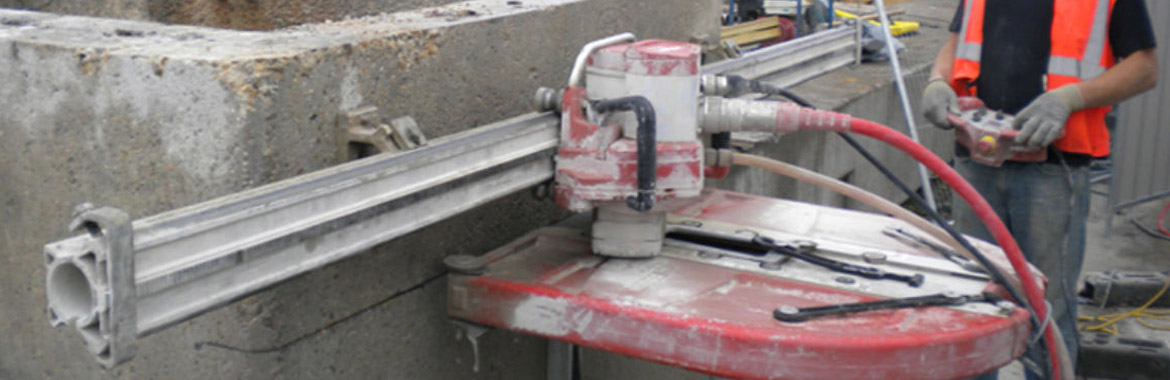
Precision Openings for Complex UK Construction Projects
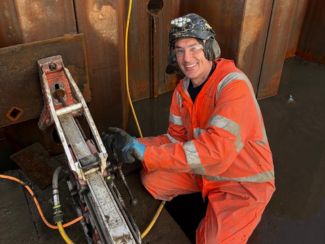
Precision Openings for Complex UK Construction Projects
A matter of a few millimeters can be important when you have to cut through reinforced concrete, masonry or any existing structure. There are some special requirements for modern construction and refurbishment works in the UK in terms of precision, planning and coordination especially in cases when work is being performed in an occupied building or around existing services.
There can be pipes, cables, reinforcement or any other existing services within the existing floors, walls or structural elements. Mistakes in creating openings can result in re-work, delays and disruption of the trades that will perform after you. In case you have to drill through a complicated object the method of drilling should depend not only on the size of the hole but also on the actual conditions.
This is when the services of Diamond Drilling UK can help. With the help of diamond core drilling machine specialists can create openings in precise places without unnecessary vibrations and site disruption.
What Is Diamond Drilling UK?
Diamond drilling is a controlled cutting process that uses a rotating diamond-tipped drill to remove material and create a circular opening. Unlike impact or percussion methods, the cutting action is continuous, allowing contractors to produce clean and accurately positioned cores when the equipment and setup are suitable for the application.
The method can be used on concrete, reinforced concrete, brick and masonry, with equipment selected according to the required diameter, drilling depth, material, access and site conditions.
Compared with impact-based methods, diamond core drilling can produce lower vibration and a more predictable opening. That difference can be particularly important when you’re working close to finished surfaces, sensitive structures, existing installations or occupied areas.
Applications Across UK Construction
Diamond drilling supports a wide range of service, installation and structural requirements across commercial, residential, industrial, infrastructure and refurbishment projects.
Typical applications include:
- Pipe penetrations and plumbing routes
- Electrical service routes
- HVAC and ventilation installations
- Drainage openings
- Structural openings
- Anchor holes and structural bolts
- Mechanical installations
- Building refurbishment
- Service penetrations through reinforced concrete
Commercial refurbishment projects may require openings through floors or walls for mechanical and electrical services. Residential work can involve plumbing, drainage, ventilation and electrical penetrations, while industrial projects may require carefully positioned openings around existing construction.
Heritage and sensitive refurbishment projects can require additional care because the drilling operation needs to account for existing materials, finishes and architectural features.
Why Precision Drilling Matters on Complex Sites
The main advantage of precision drilling is ‘controlled cutting’. When we position an opening accurately and cut it to the diameter we reduce unnecessary cutting around the penetration and let other trades continue their work without avoidable corrections.
Even a misplaced opening creates problems that extend well beyond the drilling itself. M&E installation can be delayed, additional cutting may be. Other trades may have to adjust their sequence to compensate. A planned drilling operation helps address these common site constraints before they arise.
Vibration
The rotating cutting action of diamond drilling can reduce vibration compared with some impact-based methods, which is useful around sensitive structures and finished areas. Actual vibration levels still depend on the equipment, material and drilling conditions.
Noise
Diamond drilling is not silent. It can be less disruptive than certain impact-based techniques. We still assess noise, as part of site planning particularly where drilling takes place in occupied offices, healthcare facilities, schools, retail premises or residential buildings.
Dust
Wet drilling can help suppress dust in applications. Concrete drilling can still generate respirable silica dust though appropriate control measures, equipment selection and working procedures remain essential.
Restricted Access
We select drilling equipment for areas where conventional machinery is difficult to position, including basements, shafts, plant rooms and other restricted spaces. Access is often one of the factors that determines how we approach a drilling job. A suitable drill is of little value if it can’t be safely positioned and operated within the available working space.
Pre-Drilling Planning and Concrete Scanning
Successful outcomes begin long before drilling takes place.
In preparation for drilling, it is advisable to define what is being drilled, where the hole will be made, and what could be concealed within it. The pre-drilling process should include a structural study, concrete scanning, and adequate communication between all parties involved.
Before drilling, it is crucial for the teams to know:
- What is being drilled
- What size and depth is required
- Where Any reinforcement bars and other utilities in the concrete are
- What surrounds the drilling element
- What access is available
- Occupancy and working hours
- Noise and dust
- Necessary safety measures
Concrete scanning is essential before drilling begins, particularly in case of old constructions that contain steel reinforcements, pipelines, wires, and electrical units.
Scans help to gather essential information prior to the drilling operation taking place, being one of the steps in the overall assessment process, rather than the only measure to be taken.
Proper preparation for any drilling job should consider items such as: location, diameter, depth, any reinforcement needed, access, surrounding structures and any requirements by other organizations.
Choosing a Diamond Drilling Contractor
Choosing a diamond drilling contractor involves more than checking whether the company owns suitable machinery.
If you’re comparing contractors for a commercial, structural or refurbishment project, look for evidence of:
- Relevant commercial, infrastructure or structural modification experience
- Equipment suited to the required material, diameter and depth
- Operators with appropriate training and site qualifications
- Relevant industry accreditations where applicable
- Pre-work scanning and site preparation
- Risk assessments and method statements
- Experience working in restricted or occupied environments
- Clear communication with structural teams, principal contractors and other trades
It’s also worth asking how the contractor confirms the drilling location, identifies potential reinforcement or embedded services, and adapts the setup when site conditions change.
Good communication matters here, since diamond drilling is usually one part of a larger construction sequence. When several trades work to a coordinated programme, a clear drilling plan helps prevent avoidable delays and rework.
Precision Drilling and Project Delivery
Precision drilling is not simply about cutting quickly, it is about producing the correct opening, in the correct position, at the right stage of the programme.
An incorrectly positioned opening can lead to additional cutting, delayed installation, rework and wider programme disruption. Accurate diamond core drilling helps M&E installers and other trades proceed without unnecessary corrections when the opening has been properly planned. For reinforced concrete drilling, restricted access or sensitive structures, the procedure should be adapted to actual conditions.
Our approach is not to choose equipment first and fit the project around it. Checking the surrounding condition, access, opening, depth and material comes first under our notice even before the drilling setup. This matters especially in an existing building, where drawings may not show every service or modification introduced over the period of time.
Accurate Openings Start With Proper Planning
For complex construction and refurbishment work, controlled openings can make subsequent installation and coordination considerably easier. Diamond Drilling UK combines precision cutting with controlled site planning, though the quality of the result depends on more than the drill itself.
Structural checks, concrete scanning, suitable equipment, access planning, risk controls and communication with other trades all contribute to a properly managed drilling operation. Whether you need reinforced concrete drilling, service penetrations, anchor holes, restricted-access drilling or openings within an occupied building, the right approach depends on your actual site conditions and project requirements.
At CA Drillers, every drilling project has its own constraints. Speak to our team about your required opening, material, access and project programme, and request a project-specific quote for your site.
Frequently Asked Questions
What is diamond drilling used for in the UK?
Diamond drilling is used to create precise circular openings through suitable construction materials for service penetrations, pipework, ventilation, drainage, structural bolts, anchor installations and certain structural alterations across commercial, residential, industrial, infrastructure and refurbishment projects.
Can diamond drilling be used on reinforced concrete?
Yes. Diamond drilling can be used on reinforced concrete when the equipment and drilling method are appropriate for the material and application. Reinforcement and potential embedded services should be assessed before drilling begins.
Does diamond drilling create dust?
Dust levels depend on the equipment, material and drilling method. Wet drilling can help suppress dust, but concrete drilling can still create respirable silica dust. Suitable controls should therefore be planned before work starts rather than relying on the drilling method alone.
Can diamond drilling be used in occupied buildings?
It can be suitable when the work is properly planned and managed. Noise, vibration, dust, access and working hours should be considered beforehand, particularly in offices, retail buildings, schools, healthcare facilities and residential properties.
What should I check before booking a diamond drilling contractor?
Ask about the contractor's experience with projects similar to yours, how the drilling location will be established, whether scanning is required, how dust and vibration will be controlled and what information they need from your project team before attending the site.
- Search
- Categories
- Blog
- Brokk demolition
- Certificate
- Concrete Cutting
- Controlled Demolition
- Core Drilling
- core drilling Kent
- Diamond Concrete Cutting
- Diamond Concrete Drilling
- Diamond Drilling
- Diamond Drilling Essex
- Diamond drilling Kent
- Diamond Drilling Surrey
- Diamond Sawing
- Fire doors
- Floor Preparation
- Hydraulic Bursting
- Kent construction drilling
- Magnetic Drilling
- Passive Fire Protection
- Stitch Drilling
- Wire Sawing Services
- Archives