
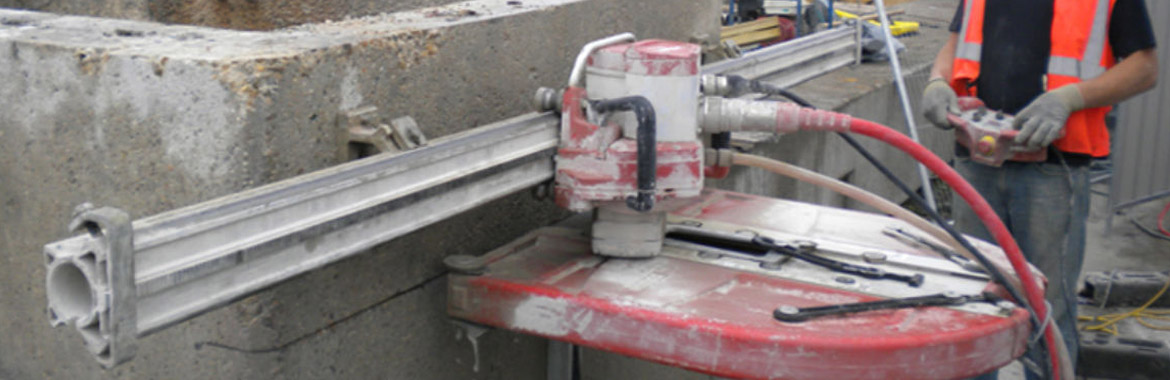
Dowel Hole Drilling in Concrete: Applications in Structural Reinforcement and Construction
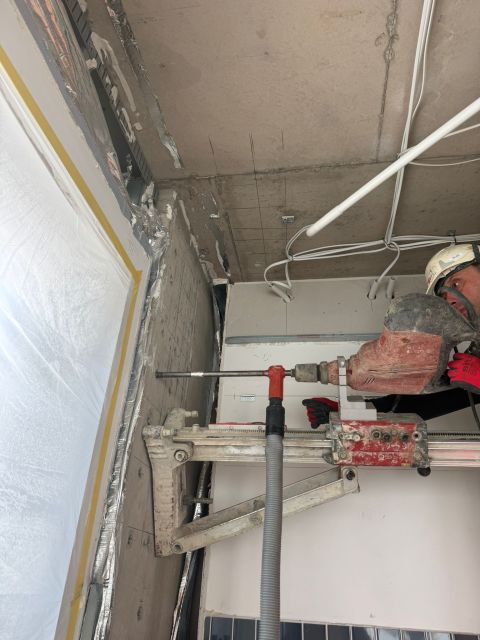
Dowel Hole Drilling in Concrete: Applications in Structural Reinforcement and Construction
Objective
This guide describes what structural reinforcement looks like, what the main players are, and how to utilise dowel hole drilling in concrete within the construction industry.
Key Takeaways
- Dowel bars help link existing and new concrete elements.
- Accurate hole positioning and specified embedment depth matter.
- Foundation works often require planned reinforcement holes.
- Hole cleaning and the correct installation system are essential.
- Structural engineers must approve the required drilling specifications.
Introduction
Concrete construction often involves joining new structural elements to existing foundations, slabs or walls. But how do you prepare an existing concrete structure to hold new reinforcement safely? This is where dowel hole drilling plays an important part.
For example, during the Bermondsey redevelopment project, CA Drillers completed 7,914 dowel holes at foundation level in concrete pads. This shows how specialist drilling supports large construction and redevelopment works. Understanding the correct drilling method, hole dimensions and installation requirements helps construction teams prepare concrete for planned reinforcement work.
Table of Contents
- What Is Dowel Hole Drilling in Concrete?
- How Does It Support Structural Reinforcement?
- Where Is Dowel Drilling Used in Construction?
- What the Bermondsey Project Shows
- What Should You Check Before Drilling?
- Why Choose Professional Drilling Services?
What Is Dowel Hole Drilling in Concrete?
Dowel hole drilling is the process of making specified holes in existing concrete to install steel reinforcement bars, commonly called dowels or starter bars. These bars help link an existing concrete element with a new section.
For example, when extending a concrete foundation, the structural design may require reinforcement bars to be installed in the existing concrete before the new concrete is poured.
The basic process involves:
- Marking drilling positions from approved structural drawings.
- Checking for existing reinforcement and hidden services.
- Drilling holes to the specified diameter and depth.
- Cleaning the holes according to the installation system.
- Installing the bars using the approved method.
The correct drilling equipment depends on the project specifications and the selected reinforcement system.
How Does It Support Structural Reinforcement?
Concrete dowel hole drilling helps prepare existing structures for post-installed reinforcement. When correctly designed and installed, dowel bars can transfer forces between concrete elements cast at different times.
Here are two important uses:
1. Joining Existing and New Concrete
When new walls are constructed adjacent to existing walls (i.e. foundation extension), the new walls require the same reinforced concrete placement as the existing walls.
2. Supporting Structural Continuity
Dowel bars can help maintain the intended structural behaviour between concrete sections. Their position, embedment depth, bar size and bonding system must follow the engineer’s design.
Where Is Dowel Drilling Used in Construction?
Construction teams use dowel drilling in concrete across several types of projects.
| Application | Purpose |
| Foundation extensions | Prepare existing foundations for new reinforcement. |
| Concrete pads | Install specified dowels for planned structural work. |
| Slab extensions | Link new slab sections with existing concrete. |
| Wall construction | Prepare starter bar holes for new reinforced walls. |
| Commercial redevelopment | Support planned structural alterations. |
These applications require careful planning. The drilling layout must match the structural drawings rather than relying on standard measurements.
What the Bermondsey Project Shows
A practical example comes from the former Biscuit Factory redevelopment in Bermondsey.
CA Drillers was appointed by Erith Contractors Ltd to provide specialist saw-cutting and diamond drilling services during the demolition works.
One major part of the project involved drilling 7,914 dowel holes at foundation level into concrete pads.
This example shows the scale of drilling that can be required during a large redevelopment project. It also highlights the need for careful planning, accurate drilling positions and coordination with the wider construction team.
For contractors managing foundation works, this is an important point: high-volume drilling requires a clear work plan and close attention to the approved project requirements.
What Should You Check Before Drilling?
Before starting reinforcement dowel holes, construction teams should check several technical details.
- Hole diameter: Check to make sure it is within spec for the reinforcement.
- Drilling depth: Follow approved depths and embedment requirements.
- Existing reinforcement: Find other steel bars and embedded services.
- Hole cleaning: Clean the hole of dust and debris as required for the selected installation system.
- Adhesive selection: Use a suitable, approved bonding product where required.
- Concrete condition: Check existing concrete for condition and strength.
Never choose drilling dimensions based on assumptions. The structural engineer must approve the design, while the installation team must follow the product manufacturer’s instructions.
There is also a safety issue. Drilling concrete can release respirable crystalline silica dust. The UK Health and Safety Executive (HSE) recommends suitable dust controls, including extraction or water suppression where appropriate, along with the required respiratory protection.
Why Choose Professional Drilling Services?
Specialist contractors understand the planning and care required for foundation and structural drilling work. They can help coordinate drilling layouts, access requirements, equipment and site activities.
At CA Drillers, experience with specialist drilling and cutting projects includes large-scale work such as the Bermondsey redevelopment. For construction teams, choosing an experienced contractor can help keep drilling work aligned with the wider project plan.
Get Your Dowel Drilling Project Planned Correctly
Dowel drilling plays an important part in preparing existing concrete for new reinforcement and structural work. From foundation extensions to large commercial redevelopment projects, accurate drilling and correct installation procedures matter.
Planning a construction or foundation project? Contact CA Drillers to discuss your concrete drilling requirements and request a project quotation.
FAQ
What are dowel holes used for in concrete?
Dowel holes hold reinforcement bars that help link existing concrete with new concrete elements. They are commonly used in foundation extensions and structural alterations.
Why are starter bars installed in existing concrete?
Starter bars provide reinforcement for new concrete sections, such as walls, slabs and foundation extensions, when specified by the structural engineer.
How deep should dowel holes be drilled?
The required depth depends on the structural design, bar size, concrete condition and approved installation system. Always follow the engineer's specifications.
Why must dowel holes be cleaned before installation?
Dust and debris can affect the bond between the adhesive and concrete. Cleaning must follow the product manufacturer's installation instructions.
Can dowel drilling be carried out in reinforced concrete?
Yes. However, existing reinforcement must be located, and drilling positions approved before work begins to avoid damaging structural steel.
- Search
- Categories
- Blog
- Brokk demolition
- Certificate
- Concrete Cutting
- Controlled Demolition
- Core Drilling
- core drilling Kent
- Diamond Concrete Cutting
- Diamond Concrete Drilling
- Diamond Drilling
- Diamond Drilling Essex
- Diamond drilling Kent
- Diamond Drilling Surrey
- Diamond Sawing
- Fire doors
- Floor Preparation
- Hydraulic Bursting
- Kent construction drilling
- Magnetic Drilling
- Passive Fire Protection
- Stitch Drilling
- Wire Sawing Services
- Archives