
Delivering Accurate Concrete Drilling on Complex Construction Projects: A Contractor’s Guide
Delivering Accurate Concrete Drilling on Complex Construction Projects: A Contractor's Guide
Objective
This blog provides valuable information for contractors looking to gain a better understanding of how to best achieve accurate concrete drilling on their project sites.
Key Takeaways
- Drilling approvals usually stem from drawings and/or specifications.
- Specialised diamond drilling services can provide precise openings for building service openings in concrete.
- Contractors must assess reinforcement, hidden services and structural requirements before drilling.
- Good coordination helps reduce errors, rework and delays.
- Choosing experienced diamond drilling contractors for complex construction projects can help keep specialist work aligned with project requirements.
Introduction
The importance of precise drilling on construction projects will probably become more evident to the reader as they work their way through this module. However, to start with, a description of drilling as it is traditionally thought of will probably be of benefit.
The UK Health and Safety Executive (HSE) warns that drilling concrete can release respirable crystalline silica dust, which can cause serious lung disease.
This makes safe working methods just as important as accuracy.
In this guide, we explain how Accurate Concrete Drilling Services help contractors manage demanding projects, protect workers and prepare openings for building services.
Table of Contents
- Why Accuracy Matters on Complex Construction Projects
- Plan the Drilling Work Before Starting
- Choose the Right Drilling Method
- Maintain Accuracy and Manage Site Risks
- Coordinate Drilling With Other Trades
- Choose the Right Specialist Drilling Contractor
- Conclusion
- Frequently Asked Questions
Why Accuracy Matters on Complex Construction Projects
Accurate concrete drilling means creating an opening at the required position, diameter and depth while following the project’s technical and safety requirements.
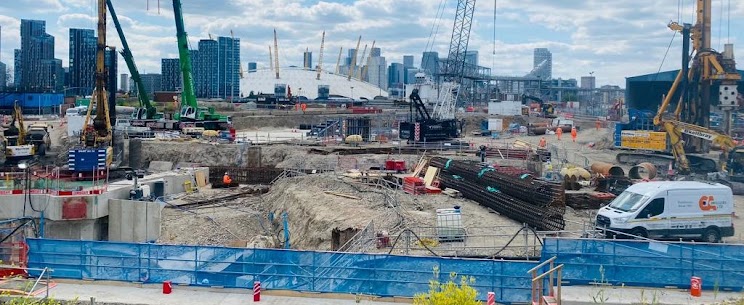
Commercial buildings, infrastructure projects and refurbishments often involve reinforced concrete, limited access and several trades working in the same area. Even a small positioning error can affect pipework, electrical installations or ventilation routes.
For example, an MEP team may need a core hole through a concrete slab for a drainage pipe. If the opening does not match the approved drawings, the team may need to stop work while the project team reviews the problem.
Accurate drilling helps contractors:
- Dramatically reduces the need for rework and disruption.
- Allows the contractor to work with other trades on the project.
- Keeps service openings aligned with approved drawings.
- Ensures services are located in position to allow the project to proceed to completion.
- Maintains quality and safety requirements on site.
Plan the Drilling Work Before Starting
Good results begin before the drilling rig reaches the work area. Contractors should confirm the opening requirements and check site conditions before giving the go-ahead.
Check Drawings and Opening Specifications
Confirm the hole’s location, diameter, depth and purpose. Check that the team is working from the latest drawings and has approval for the proposed opening.
Check for Reinforcement and Hidden Services
Use suitable surveys and service detection methods to investigate concealed cables, pipes and reinforcement. Consult the relevant structural engineer before proceeding where the proposed opening could affect structural elements.
Prepare a Site-Specific Work Plan
Agree access, equipment positioning, work sequence and safety controls. The plan should also address core retention, water management, dust control and the safe removal of drilling waste.
Drilling schedules with details on the location, dimensions, purpose, and approval for each opening help site managers monitor progress and address queries before work begins.
Choose the Right Drilling Method
The method selected is dependent on the required opening, the type and condition of the concrete. Selecting equipment before considering these can result in unnecessary complications.
| Drilling method | Typical use |
| Diamond core drilling | Circular holes for pipes, cables and building services |
| Stitch drilling | Larger openings formed by drilling a series of overlapping holes |
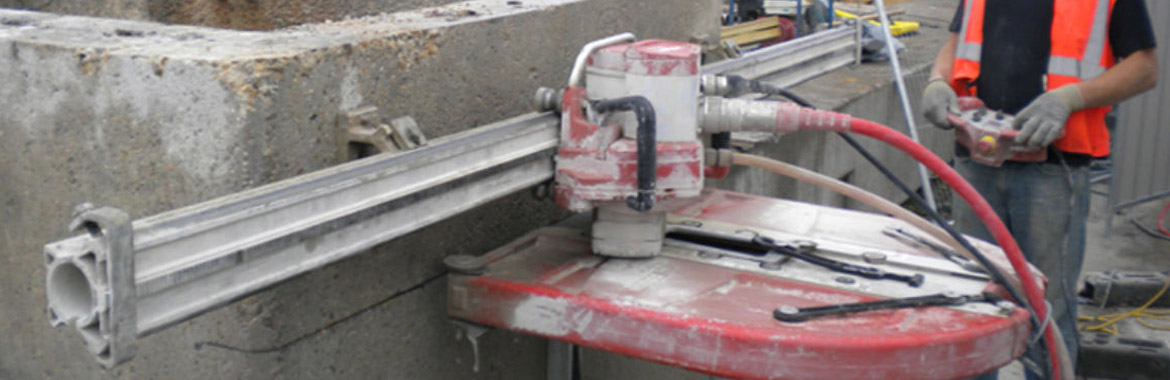
| Track or floor sawing | Straight cuts through concrete for planned openings or removal work |
Diamond drilling services for reinforced concrete are often suitable when contractors need clean, circular openings through concrete slabs and walls. However, the contractor must assess reinforcement, thickness, access and the approved drilling position before selecting the equipment.
For larger openings, stitch drilling or concrete sawing may be more suitable. It is important that the project team confirms the method against the design requirements as well as any structural restrictions.
Maintain Accuracy and Manage Site Risks
A stable site setup and competent operators, accompanied by adequate safety measures, result in accurate drilling. Prior to beginning work, Contractors need to verify the marked position and secure the drilling rig.
Control Dust, Water and Slurry
Concrete drilling can release fine silica dust. The HSE recommends suitable controls to reduce exposure, based on the task and working conditions. Contractors should also plan for water suppression or extraction, slurry collection and safe waste disposal where required.
Protect Workers and the Structure
Prior to drilling, assess risks associated with falling cores and vibration. Never cut reinforcement.
There are a number of safety checks that are imperative during drilling in an occupied building and in restricted work areas.
Coordinate Drilling With Other Trades
Drilling rarely takes place in isolation. MEP contractors, structural engineers and site managers need to agree on opening locations and installation requirements before work begins.
Consider a commercial refurbishment that needs openings for drainage pipes, electrical conduits and ventilation ducts. If each trade works from different drawings, openings may clash or miss their intended positions.
To reduce these risks:
- Confirm service routes and opening dimensions with the relevant teams.
- Schedule drilling around access restrictions and other site activities.
- Check completed openings against approved specifications.
- Report discrepancies before follow-on work proceeds.
If the opening does not comply with the requirements, notify the relevant trade to ensure there are no surprises for following trades.
Choose the Right Specialist Drilling Contractor
When selecting diamond drilling contractors for complex construction projects, look beyond the quoted price. Your contractor should understand the site’s technical requirements, access limits and safety procedures.
Check these four areas before making a decision:
- Relevant experience: Ask for examples of similar commercial, infrastructure or refurbishment projects.
- Equipment and skills: Confirm that the contractor has suitable equipment and competent operators for the work.
- Safety planning: Review risk assessments, method statements and arrangements for managing site hazards.
- Communication and quality checks: Agree the work scope, schedule, reporting process and handover requirements.
CA Drillers’ published case studies include work at Chelsea Barracks, where the team carried out diamond drilling for pipework and ductwork, alongside concrete cutting and controlled demolition.
This example shows why specialist drilling work needs to fit the wider construction programme.
Get Your Drilling Plan Right Before Work Begins
Successful Accurate Concrete Drilling Services depend on clear specifications, suitable equipment, safe working methods and coordination between trades. Check the drawings, confirm the opening positions and resolve structural concerns before drilling starts.
Contact CA Drillers for your next project if your work requires drilling through reinforced concrete and/or if you have restricted access.
FAQ
What are accurate concrete drilling services?
These services create openings in concrete to specified positions and dimensions. Contractors plan the work around structural requirements, hidden services and site conditions.
Why is diamond core drilling used on construction projects?
Diamond core drilling creates circular openings for pipes, cables and ventilation systems. It is suitable for many reinforced concrete applications when the site conditions and structural requirements allow it.
How can contractors avoid damaging reinforcement?
Contractors should check the proposed drilling location, investigate reinforcement and consult the relevant structural engineer where required. They must obtain appropriate approval before cutting reinforcement.
How can you improve concrete drilling accuracy?
Drill in the correct location using an approved drawing. Secure the drilling equipment. Verify the opening is of the correct size. Ensure other trades can also work in the area.
What should you check before hiring a drilling contractor?
Review the contractor’s equipment, operators, safety and references. Confirm the scope of work and verify the contractor can meet the requirements of the project.
- Search
- Categories
- Blog
- Brokk demolition
- Certificate
- Concrete Cutting
- Controlled Demolition
- Core Drilling
- core drilling Kent
- Diamond Concrete Cutting
- Diamond Concrete Drilling
- Diamond Drilling
- Diamond Drilling Essex
- Diamond drilling Kent
- Diamond Drilling Surrey
- Diamond Sawing
- Fire doors
- Floor Preparation
- Hydraulic Bursting
- Kent construction drilling
- Magnetic Drilling
- Passive Fire Protection
- Stitch Drilling
- Wire Sawing Services
- Archives